How does frost depth affect decks and additions in Iowa?
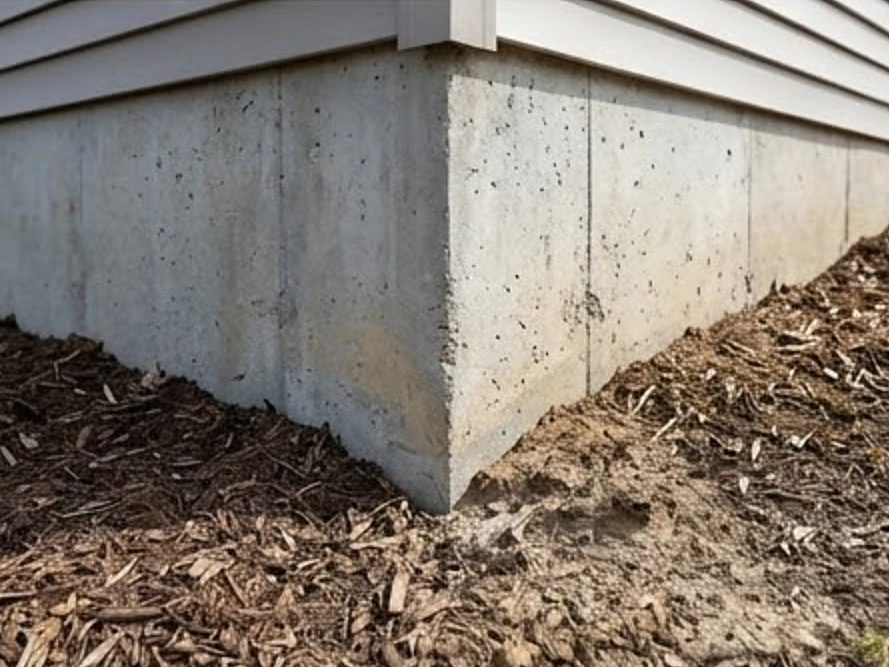
Frost depth is the quiet reason so many Iowa decks, porches, and additions lean, heave, and rack: any footing that stops above the local frost line, a depth each Iowa jurisdiction sets locally, sits in soil that freezes and expands each winter, lifting the structure and dropping it again each spring. A deck on shallow piers can rise noticeably in February and settle unevenly in April, and after enough cycles the results are visible from the yard: stairs pulling away from the deck, railings out of plumb, ledger connections stressed, porch roofs sagging where a corner post has walked upward. Additions built on shallow foundations show it indoors as cracked drywall at the junction with the original house and doors that bind seasonally. Frost movement leaves recognizable signatures, and ledger attachment and flashing are worth close attention, since a heaving deck stresses the very connection whose failure causes deck collapses; accessible footings and posts are worth checking for both frost heave and rot at grade. Central Iowa's heavy, moisture-retaining Des Moines Lobe till aggravates the problem, because frost heave requires wet soil, and wet soil is the regional specialty. Older homes and owner-built structures are the usual offenders, but we find shallow footings under newer work too. The fix ranges from monitoring to re-founding the structure on proper frost footings, and our photo-documented report, delivered within 24 hours, tells you which end of that range you are looking at.
In Minnesota and Iowa homes

Build your quote in 30 seconds.
No phone tag, no callback delay. Price and book your inspection right here — it takes about 30 seconds and there is no obligation.