How does radon testing work during a real estate deal in Iowa?
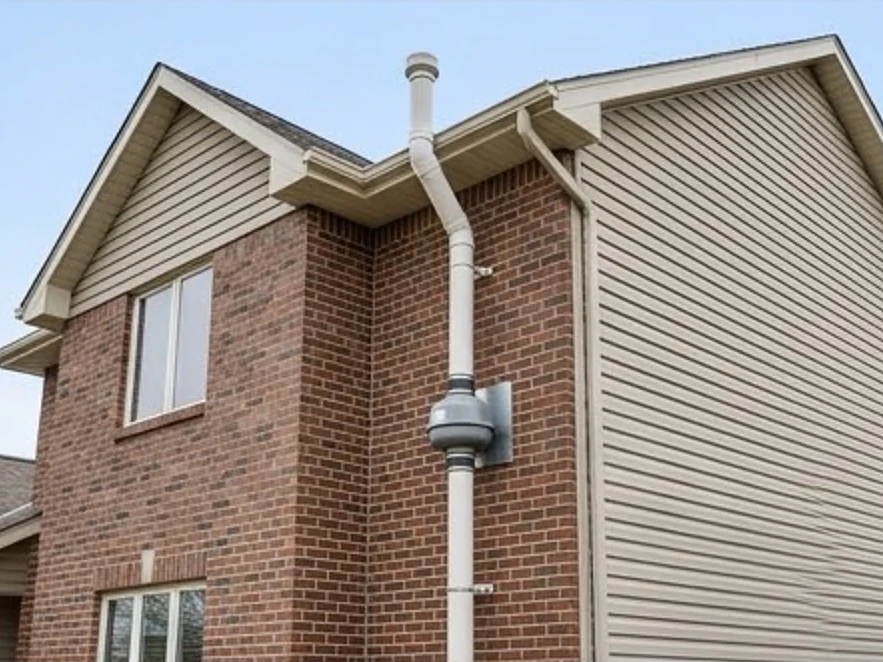
In an Iowa purchase, radon testing runs alongside your inspection contingency: when radon testing is added, we place a continuous radon monitor in the lowest livable level of the home, typically when we arrive for the inspection, and it must remain in place for a minimum of 48 hours under closed-house conditions, meaning windows shut and doors used only for normal entry. Because the test runs while your report is already in hand, it rarely delays a transaction; you simply receive the radon result as a follow-up, and we interpret it for you. If the average is at or above the EPA action level of 4.0 picocuries per liter, the standard move in Iowa is to negotiate for the seller to install a mitigation system, or to credit you the cost of one, before closing. That negotiation is common and uncontroversial here precisely because elevated results are so frequent; Iowa HHS reports 71.6 percent of Iowa homes exceed the action level. Two details specific to Iowa are worth knowing. First, Iowa sellers are required to disclose known radon test results, so ask whether the home has ever been tested. Second, if a mitigation system already exists, we still recommend testing to confirm it is actually working. Add radon when you book online and we handle the logistics with your agent.
In Minnesota and Iowa homes

Build your quote in 30 seconds.
No phone tag, no callback delay. Price and book your inspection right here — it takes about 30 seconds and there is no obligation.