How important is a sump pump in a central Iowa home?
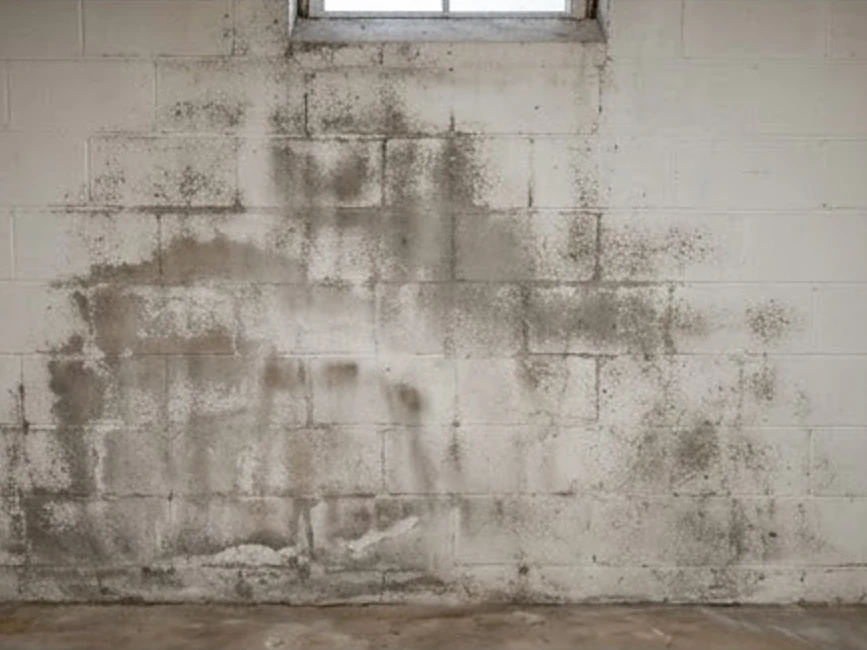
In central Iowa, a sump pump is not an accessory; on the poorly drained glacial till of the Des Moines Lobe it is often the single component standing between a dry basement and a flooded one. The region's dense, clay-heavy soil holds water against foundations after rain and snowmelt, so most homes with basements rely on a drain tile system feeding a sump basket, with the pump ejecting water away from the house. A sump pump that actually runs, a float that moves freely, a check valve that holds, and a discharge line that carries water well away from the foundation rather than dumping it beside the wall to recirculate are what to look for, and a high water line in the pit shows how hard the system works. The upgrades that matter most here are a battery or water-powered backup pump, because the same storms that fill the pit are the ones that knock out power, and a sealed lid, which matters doubly in Iowa since open sump pits are a major radon entry point in the state with the largest percentage of homes above the EPA radon action level. If the home you are buying has no sump system at all, the basement is worth reading for signs of needing one. It is a small machine with an outsized job, and we treat it accordingly.
In Minnesota and Iowa homes
Build your quote in 30 seconds.
No phone tag, no callback delay. Price and book your inspection right here — it takes about 30 seconds and there is no obligation.