Saint Paul and Minneapolis grew in layers, and their housing stock tells the story. There are century-old Victorians and Craftsman homes near the river and the old streetcar lines, sturdy bungalows from the 1910s and 1920s, postwar ramblers in the inner-ring suburbs, and farmhouses on the rural fringes of greater Minnesota where city utilities never reached. Buying an older home here is rarely a clean decision between charming and modern. It is about understanding how decades of moisture, Minnesota freeze-thaw cycles, and aging infrastructure have quietly shaped the house you are about to put an offer on. This guide walks through what an older Minnesota home actually asks of its buyer, and how a thorough inspection turns guesswork into a plan you can budget around.
In this guide
How the Twin Cities' Layers of Age Shape What You're BuyingMoisture, Grading, and the Water That Never SleepsWells, Septic, and the Rural Edges of Greater MinnesotaRadon, the Invisible Minnesota StandardWinter's Toll: Ice Dams, Insulation, and Aging SystemsExterior Structures, Seasonal Systems, and the Parts That Aren't the HouseHow the Twin Cities' Layers of Age Shape What You're Buying
There is no single "old house" in the Twin Cities. A home a few blocks off a main commercial street may date to the early 1900s with a stone-and-mortar foundation, balloon framing, and additions tacked on by three generations of owners. A bungalow in a streetcar-era neighborhood might carry original wiring patched over the decades and insulation that was never meant for today's heating bills. Out toward the metro's rural edges and into greater Minnesota, you find farmhouses on well and septic with outbuildings, original windows, and systems that have been patched rather than replaced. Each of these histories produces a different inspection profile. The early-1900s home hides foundation issues, knob-and-tube remnants, and layered-on systems; the bungalow hides moisture and insulation problems; the rural farmhouse hides water-quality and septic questions. The first job of a good inspection is to read which story your specific house is telling, because the right list of concerns depends entirely on which era and setting you are buying into. Treat the home's age as a starting hypothesis, not a verdict.
Moisture, Grading, and the Water That Never Sleeps
Water is the single biggest variable in an older home's long-term condition across the metro. Homes on river-bluff slopes, low ground, and heavy urban clay sit in a wetter microclimate where higher groundwater, seasonal saturation, and decades of runoff put steady pressure on basements, crawlspaces, and foundations. In older homes, that pressure has had a long time to find weaknesses: hairline foundation cracks that weep in spring, efflorescence on basement walls, musty crawlspaces, and rim joists where condensation has fed slow rot. Grading is the quiet culprit. On older lots, soil has often settled toward the house, or regrading has redirected water against the foundation, and gutters and downspouts may dump right at the wall. An inspector will look at how water is meant to move away from the structure, test for active moisture intrusion, and flag whether sump systems and drain tile are present and functioning. For bluff-side properties, the conversation also includes whether the slope is shedding water or trapping it against the home. None of this should scare you off an older home. It simply means moisture management deserves more scrutiny here than almost anywhere else.
Wells, Septic, and the Rural Edges of Greater Minnesota
Inside the metro you generally have municipal water and sewer, but a meaningful share of the area's older and more characterful homes sit on township land and out in greater Minnesota served by private wells and septic systems. If you are buying one of these, you are taking on infrastructure that a standard home inspection does not fully cover, and that deserves dedicated specialist testing. On the well side, you want water-quality testing for bacteria, nitrates, and depending on the area, arsenic and other minerals that show up in some Minnesota groundwater. You also want to understand the well's age, depth, and whether it meets current setback and construction standards, since older wells can be shallow or poorly sealed. On the septic side, Minnesota and its counties require a compliant subsurface sewage treatment system, and a point-of-sale or pre-purchase septic compliance inspection is often the deciding document. An older drainfield that is undersized, saturated by a high water table, or simply at the end of its life can mean a five-figure replacement. Treat well and septic as their own due-diligence track running alongside the home inspection. Knowing the condition of both before closing is what separates a smart rural purchase from an expensive surprise.
Radon, the Invisible Minnesota Standard
Radon is not a coincidence in Minnesota, it is the baseline. The state sits over geology that produces elevated radon almost everywhere, and roughly 40 percent of homes test above the action level. Older homes are not immune, in some ways they are more exposed, because fieldstone foundations, dirt-floor sections of basement, cracked slabs, and unsealed sump pits all give soil gas easy paths indoors. Radon is colorless, odorless, and a recognized cause of lung cancer with long-term exposure, which is exactly why testing matters even when a house feels dry and well-kept. A short-term radon test placed in the lowest livable level during your inspection period gives you a number to act on. If it comes back above the EPA action level, mitigation is a well-understood, generally affordable fix: a sub-slab depressurization system that vents soil gas safely above the roofline. The key point for older Twin Cities homes is to test rather than assume. A finished basement bedroom or rec room is a wonderful feature, but only if the air in it is safe. Build the radon test into your offer as a standard contingency, the same way you would in any Minnesota purchase.
Winter's Toll: Ice Dams, Insulation, and Aging Systems
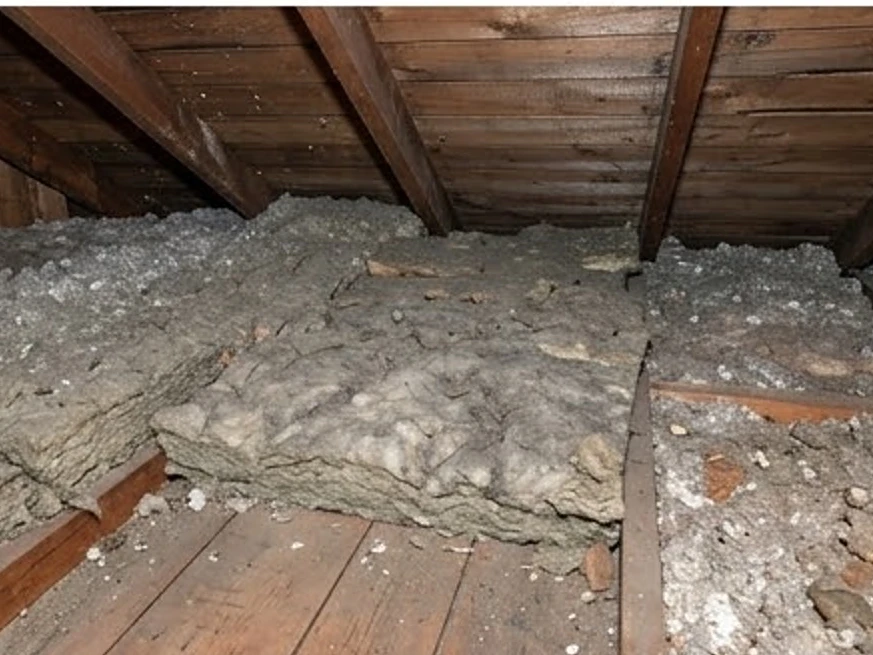
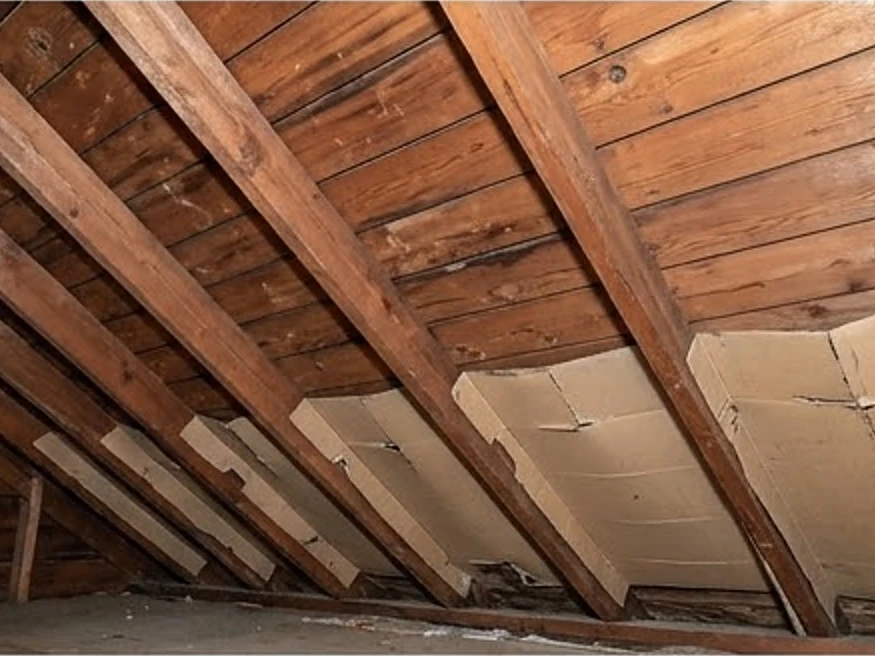
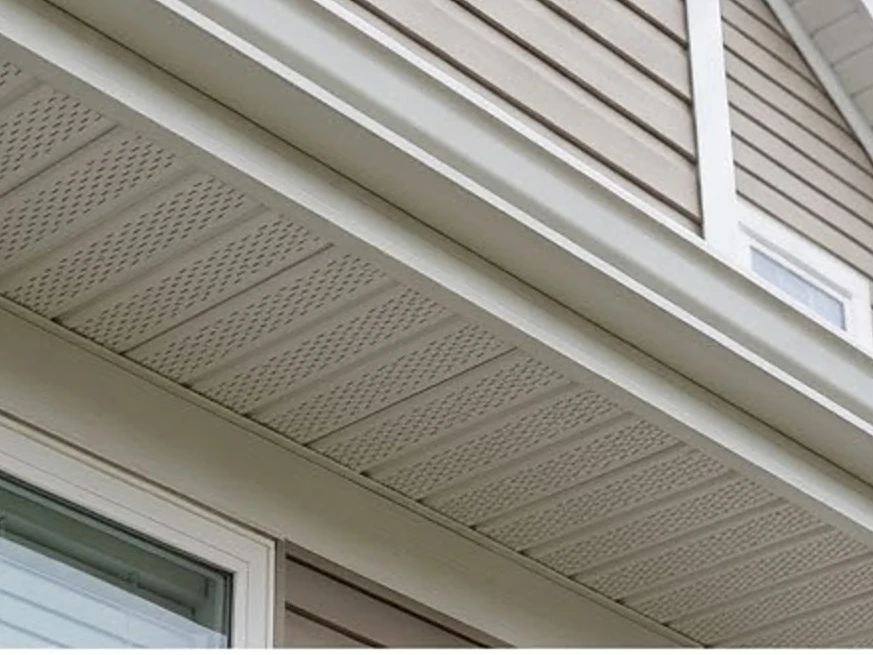
Minnesota winters audit a house every single year, and older homes carry the scars. Ice dams form when heat escaping through an under-insulated attic melts snow on the upper roof, which refreezes at the cold eaves and backs water up under the shingles. In vintage homes with shallow attics, original framing, and decades of patchwork insulation, the conditions for ice dams are common, and the evidence shows up as water stains on top-floor ceilings, peeling paint, and rotted soffits. An inspector evaluates attic insulation levels, ventilation, and signs of past ice-dam leakage, because the real fix is air sealing and insulation, not just raking the roof. Winter also stresses mechanical systems. Older furnaces and boilers, original water heaters, and galvanized or aging supply lines all work hardest in January, and a home that had its updates done in stages may have weak points where pipes are under-protected. The inspection should document the age and condition of heating equipment, look for evidence of frozen-pipe history, and assess whether the building envelope is genuinely ready for forty-below wind chills. A warm, dry, ice-free winter performance is the truest test of whether an older home was upgraded thoughtfully or just cosmetically.
Exterior Structures, Seasonal Systems, and the Parts That Aren't the House
On an older Minnesota property, a real chunk of the value, and the maintenance, lives outside the four walls. Retaining walls, exterior stairs, detached garages, and seasonal water lines or irrigation are all systems that wear out in ways a buyer should price in. A standard home inspection typically focuses on the dwelling and may not formally evaluate every outbuilding or below-grade structure, so ask directly what is and isn't covered, and inspect these elements with your own eyes during a showing. Look at whether retaining walls are bowing or undermined by the same moisture discussed earlier, whether exterior stairs and porches are sound, and how outdoor plumbing is shut down for winter. Beyond that, older properties often carry detached garages, sheds, and additions of varying quality, plus decks and porches that face heavy freeze-thaw stress. There can also be permit questions tied to additions, decks, and past exterior work, so it is worth confirming that improvements were done properly with the city. The lesson is simple: budget for the whole property, not just the house, because on an older Minnesota lot the land and outbuildings carry real obligations.
Quick checklist
- Confirm whether the home is on city water and sewer or on a private well and septic, and order well-water testing and a septic compliance inspection if it's out in greater Minnesota.
- Schedule a short-term radon test during your inspection period and plan for sub-slab mitigation if results exceed the EPA action level.
- Walk the foundation, basement, and crawlspace for moisture signs: efflorescence, staining, musty odor, and active cracks, especially on clay and bluff lots.
- Check exterior grading, gutters, and downspouts to confirm water is directed away from the house, not toward the foundation or down a bluff slope.
- Inspect the attic for insulation depth, ventilation, and ice-dam water stains on upper-floor ceilings and soffits.
- Verify the age and condition of the furnace or boiler, water heater, and supply plumbing, and ask about any frozen-pipe history.
- On older properties, evaluate retaining walls, exterior stairs, porches, detached garages, and seasonal water lines, and confirm permits for any past exterior work.
- Review electrical for older wiring concerns like knob-and-tube remnants, ungrounded outlets, or an undersized panel in vintage and farmhouse homes.
- Ask your inspector exactly what is and isn't covered so you can arrange specialists for septic, well, chimney, or structural items as needed.
Buying an older home in the Twin Cities is absolutely worth it when you go in with eyes open, and a thorough, locally grounded inspection is how you get there. We know the metro's moisture patterns, greater Minnesota's wells and septic systems, and what Minnesota winters do to a house, so nothing about your future home stays a mystery. Call us to talk through the specific property you are considering, or use the free instant quote tool below in under a minute and lock in your inspection before your contingency window closes.
Get Your Free Instant Quote