
Should I worry about mold in a Twin Cities home with a finished basement?
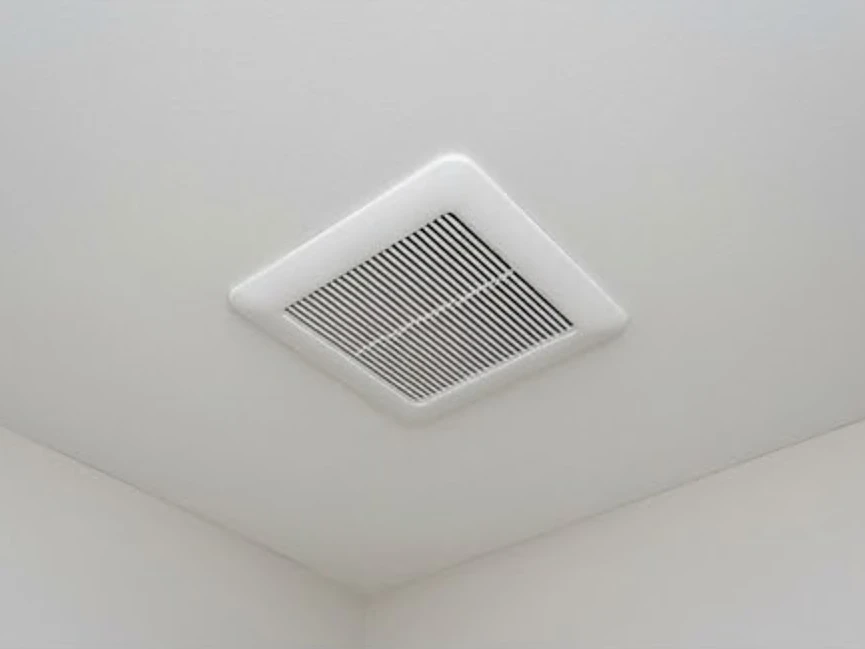
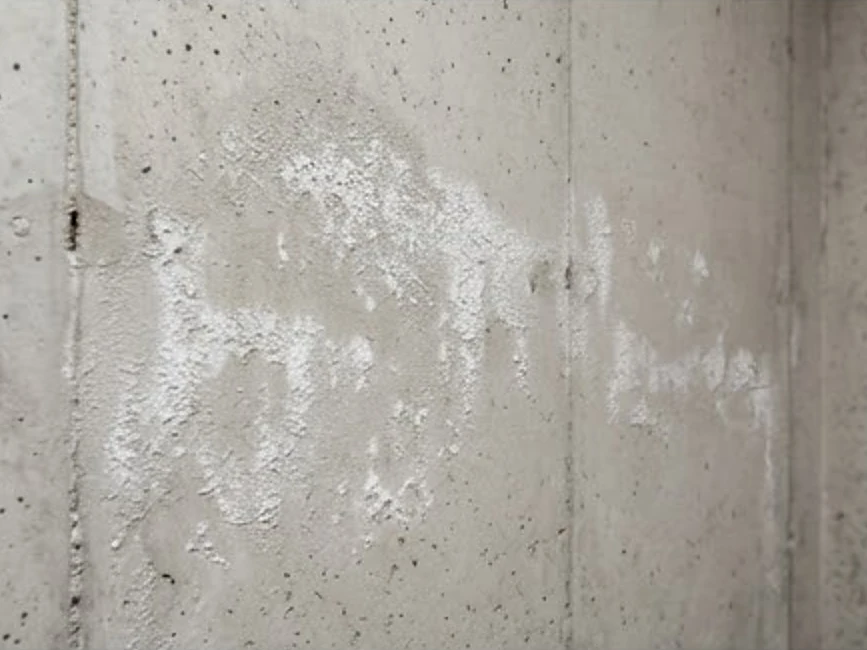
Mold is worth understanding without overreacting. Mold grows wherever there's moisture, and our humid summers, clay-soil basements, ice-dam leaks, and the dampness of river-bluff and low-lying lots can create the conditions for it. Moisture problems cause mold, basement seepage, roof and ice-dam leaks, plumbing leaks, poor bathroom and kitchen ventilation, and condensation, so visible suspected mold growth and musty odors are worth noting. Thermal imaging and moisture metering, available as add-ons, help find the damp areas behind finished surfaces where mold tends to hide, which matters in the many Saint Paul and Minneapolis homes with finished lower levels. It's important to be clear about scope: a standard home inspection identifies moisture conditions and visible suspect growth, but it is not a laboratory mold assessment. If we find significant suspected mold or you have specific health concerns, we recommend a dedicated mold or indoor-air-quality professional for sampling and testing. The most durable solution is always to fix the underlying moisture source, manage drainage, stop leaks, improve ventilation, rather than just clean the surface. Knowing where a home is damp lets you address it before it becomes a problem. To get that moisture assessment, call us or use the free instant quote tool below.
In Minnesota and Iowa homes
Build your quote in 30 seconds.
No phone tag, no callback delay. Price and book your inspection right here — it takes about 30 seconds and there is no obligation.