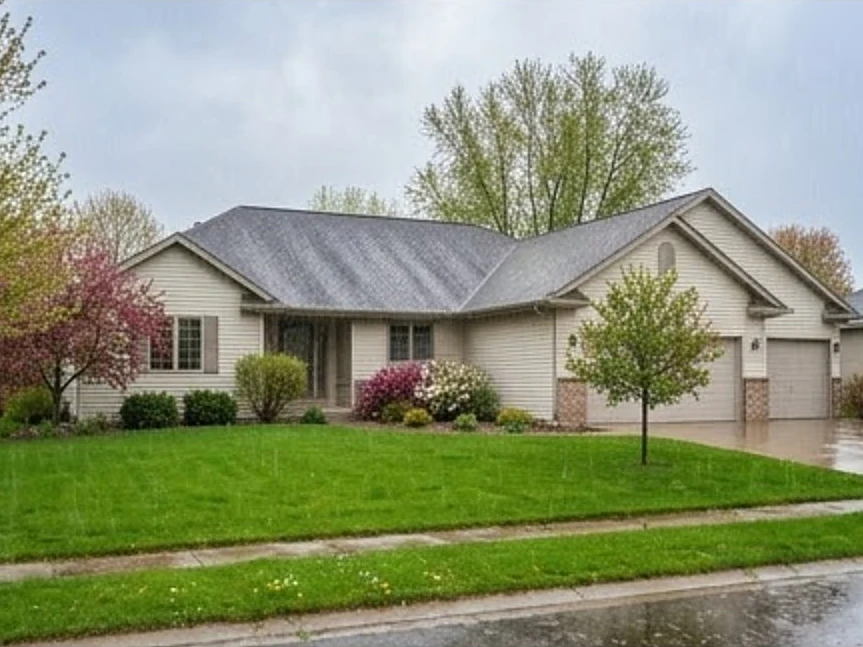
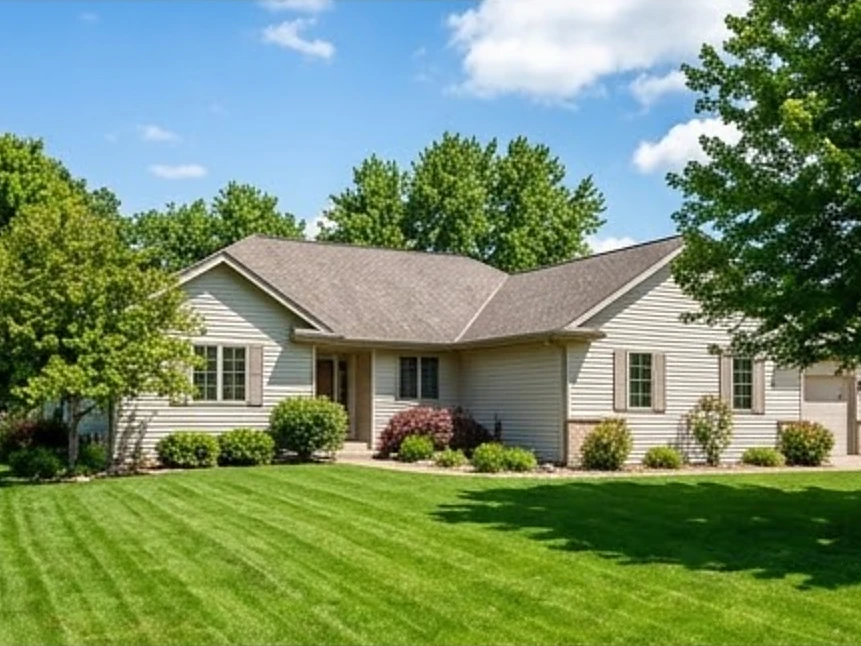
This page gathers the questions Minnesota and Iowa buyers and sellers ask us most, in the order they come up: what happens on inspection day, how a seller should get the house ready, how an FHA or VA loan changes things, and what to do once the report lands. Each section links to a deeper answer or guide when you want more detail.
On this page
For buyers: what to expect on inspection dayFor sellers: how to prepare your home for an inspectionFHA and VA loans: the appraisal, the inspection, and how to prepareAfter the inspection: reading the report and negotiatingRadon, sewer scope and other add-onsQuick answersFor buyers: what to expect on inspection day
Most inspections take two to three hours on site. A newer townhome runs closer to two hours; a large older home with a finished basement, additions and a detached garage takes longer, and a rural property with a well, septic system and outbuildings can take most of a day. Add-ons change the timing a little: a sewer scope adds time on site, while a radon monitor is set during the visit and then stays in the home for the test period.
The inspection is visual and non-invasive and follows the InterNACHI Standards of Practice. The roof and exterior, attic and insulation, structure and foundation, heating and cooling, electrical, plumbing and the water heater, and the interior are all worth going through. We don't open walls, move the seller's belongings or take things apart, so anything hidden behind stored items is noted as not accessible.
You don't have to attend, but it helps to come for the last part. Walking the home with a buyer, seeing what turned up, finding the main water shutoff and the electrical panel, and getting questions answered on the spot all help. Your photo-mapped digital report arrives within 24 hours.
Buyer checklist before the inspection
- Schedule early in your inspection contingency window, which is set by your purchase agreement.
- Book any add-ons (radon, sewer scope, well water) at the same time so they fit inside the contingency window.
- Send us the seller's disclosure if you have it, so we look closely at anything already reported.
- Plan to be there for the final walk-through if you can, and bring your questions.
- Ask your agent to confirm the utilities will be on and the attic, crawlspace and panel will be reachable.
For sellers: how to prepare your home for an inspection
Most delays and "could not inspect" notes in a report come from access problems, not defects. When a panel is blocked, the attic hatch is behind shelving or the gas is off, that item can't be checked, and the buyer may ask for a second visit or assume the worst. A little preparation gives the buyer a report that reflects the house as it really is.
If you'd rather know about problems before a buyer's inspector finds them, a pre-listing inspection lets you fix, price or disclose on your own schedule.
Seller preparation checklist
- Keep every utility on: water, electricity and gas, with pilot lights lit. Winterized or vacant homes need to be de-winterized first.
- Clear a path to the electrical panel, furnace, water heater, main water shutoff and sump pit.
- Make the attic hatch and crawlspace entrance reachable by moving stored items out of closets and off shelves.
- Unlock the garage, sheds, outbuildings, gates and any locked rooms, and leave the keys and remotes out.
- Replace burned-out bulbs, so a working fixture isn't reported as a possible electrical problem, and put in a clean furnace filter.
- Test your smoke and carbon monoxide alarms.
- Leave out receipts, permits and warranties for recent work such as a roof, furnace, water heater, radon system or foundation repair.
- Take pets out of the house or secure them, and plan to be away for about three hours.
FHA and VA loans: the appraisal, the inspection, and how to prepare
An FHA or VA loan requires an appraisal, not a home inspection. The appraisal is ordered by the lender to confirm the home's value and that it meets minimum property requirements, and those requirements go further than a typical conventional appraisal. FHA borrowers even receive a notice titled "For Your Protection: Get a Home Inspection," because the appraisal is not an inspection and doesn't tell you the condition of the home's systems.
The items FHA and VA appraisers commonly flag are basic safety, soundness and security problems: chipping or peeling paint on older homes, a roof that leaks or has less than about two years of life left, heat that doesn't work, exposed or unsafe wiring, missing handrails, broken windows or doors, and an attic or crawlspace the appraiser can't get into. Flagged items usually have to be fixed before closing, which can squeeze a tight timeline.
That's why FHA and VA buyers benefit from scheduling their own inspection early. It often finds these repair items before the appraiser does, while there is still time to negotiate them. Manufactured homes financed with FHA also need a foundation certification from a licensed professional engineer. That is a separate document from both the appraisal and the inspection, so ask your lender early whether your loan needs one.
FHA / VA preparation checklist (buyers and sellers)
- Repair any chipping or peeling paint, inside and out.
- Fix active roof leaks and replace missing or damaged shingles.
- Make sure the furnace or boiler works and every utility is on for the appraisal.
- Cover exposed wiring, open junction boxes and missing outlet or switch covers.
- Replace broken window glass and repair doors that don't latch.
- Make the attic hatch and crawlspace reachable.
- For a manufactured home, ask your lender early whether an engineer's foundation certification is required.
After the inspection: reading the report and negotiating
The report ranks findings so the safety items and major systems stand apart from routine maintenance. Start there. Those items drive the negotiation, while a loose cabinet hinge doesn't. Buyers usually ask for a repair, a credit or a price adjustment, and the photo-mapped findings give you documentation to support the request.
If the seller agrees to repairs, ask for receipts and consider a re-inspection before closing. Repairs done quickly under deadline pressure don't always fix the underlying problem.
Radon, sewer scope and other add-ons
All of Iowa and much of Minnesota have high radon potential, and a standard home inspection doesn't measure radon. It takes a separate test with a monitor left in the home. In Minnesota, the Radon Awareness Act requires sellers to disclose what they know about radon in the home. A sewer scope runs a camera through the main line to the street and finds root intrusion, offsets, bellies and broken pipe that the rest of the inspection can't see.
Quick answers
How long does a home inspection take?
Most take two to three hours on site. Larger or older homes take longer, and a rural property with a well, septic system and outbuildings can take most of a day. Your photo-mapped digital report arrives within 24 hours.
Do I need to be at the home inspection?
No, but it helps. Many buyers come for the final part so we can walk the home together, go over the findings and show where the main water shutoff and electrical panel are.
What does a home inspection cover?
The roof and exterior, attic and insulation, structure and foundation, heating and cooling, electrical, plumbing and water heater, and the interior. It is a visual, non-invasive inspection that follows the InterNACHI Standards of Practice, with thermal imaging and moisture metering where they apply.
What is not included in a standard home inspection?
The inspection doesn't open walls, move belongings or take equipment apart, and it doesn't test for radon. Radon, a sewer scope, well water testing and similar services are separate add-ons you can book with the inspection.
How should a seller prepare for a home inspection?
Keep all utilities on with pilot lights lit. Clear access to the electrical panel, furnace, water heater, attic hatch and crawlspace, and unlock garages and outbuildings. Replace burned-out bulbs, test the smoke and CO alarms, leave out receipts for recent work, and plan to be away for about three hours.
Should the seller be home during the inspection?
It's usually better if the seller isn't there. The buyer can ask questions freely, and the inspection goes more smoothly. Leave keys, remotes and access information with your agent.
Does an FHA loan require a home inspection?
No. FHA requires an appraisal, not a home inspection. FHA borrowers are given a notice titled "For Your Protection: Get a Home Inspection" because the appraisal only checks value and minimum property requirements, not the condition of the home's systems.
What does an FHA appraiser look for?
Basic safety, soundness and security problems. Common examples are chipping or peeling paint on older homes, roof leaks or a roof near the end of its life, heat that doesn't work, exposed wiring, missing handrails, broken windows, and an attic or crawlspace the appraiser can't get into. Flagged items usually have to be repaired before closing.
Does a VA loan require a home inspection?
No. A VA loan requires a VA appraisal that checks minimum property requirements, but not a full home inspection. Buyers still benefit from scheduling their own inspection so problems come up while there's time to negotiate.
Can a home inspection help with FHA or VA repair items?
Yes. An inspection scheduled early often finds the same items an FHA or VA appraiser would flag, so they can be negotiated and repaired before they hold up closing.
Who does the FHA or VA foundation certification for a manufactured home?
For FHA loans, a licensed professional engineer. The certification is separate from the appraisal and the home inspection, so ask your lender early whether you need one.
What is the difference between a home inspection and an appraisal?
The appraisal is ordered by the lender to confirm the home's value and protects the lender. The inspection is ordered by you to learn the home's actual condition and protects you.
Can I negotiate after the home inspection?
Yes. Buyers commonly ask for repairs, a credit or a price adjustment, and focus on safety items and major systems. The photo-mapped report documents each request.
Should I get a re-inspection after the seller makes repairs?
Often, yes, especially for significant repairs. A re-inspection checks that the agreed work was done and that it fixed the underlying problem, not just the symptom.
Is radon testing part of a home inspection?
No. Radon needs a separate test with a monitor left in the home. All of Iowa and much of Minnesota have high radon potential, so many buyers book a radon test with the inspection.
Is a sewer scope worth it?
For most older homes and homes with mature trees, yes. A camera inspection of the main line finds roots, offsets, bellies and broken pipe that the rest of the inspection can't see.
Do new-construction homes need an inspection?
Yes. New homes can still have framing, flashing, grading and mechanical installation problems. Many buyers also book an 11-month warranty inspection before the builder's first-year warranty runs out.
When will I get my inspection report?
Within 24 hours. It's a photo-mapped digital report with the findings ranked so safety items and major systems stand out.
Browse the full answers library → · All inspection guides →
Ready to schedule? Build a free instant quote and pick a time that fits your contingency window.
Get Your Free Instant Quote