How do central Minnesota's sandy soils affect foundations and drainage?
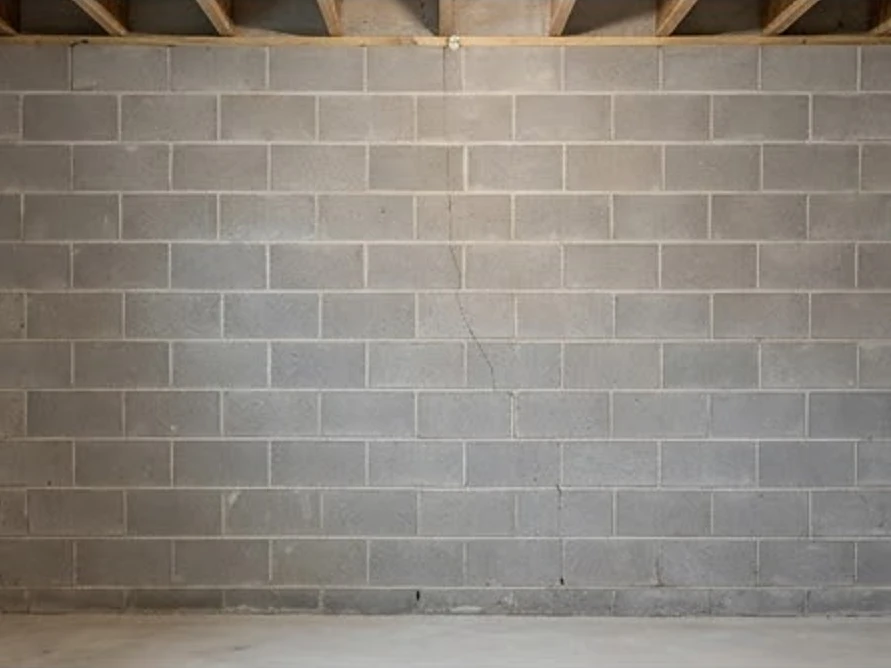
Sandy soils, common across central Minnesota from the St. Cloud region down through the Anoka Sand Plain, are generally kind to foundations in one way and demanding in others. The good news: sand drains quickly and doesn't expand and contract with moisture the way clay does, so the dramatic seasonal wall pressure that plagues clay-soil regions is less of an issue. The trade-offs are real, though. Fast-draining sand can allow settlement, especially where fill was poorly compacted during construction, so watch for the telltale crack patterns, sloping floors, and stair-step block cracks that indicate a footing has moved. Sandy areas also frequently pair with high water tables, particularly across the sand plain north of the metro, which means groundwater, not surface water, drives basement moisture; a working sump pump and drain tile become essential equipment, and both are worth confirming closely. Sand also does little to filter contaminants, which makes well and septic separation and condition important on rural sandy parcels, and radon still moves readily through sandy soil, so testing remains essential. The foundation, moisture evidence, grading, and sump system are best read together to see how the soil and house are getting along. To get that assessment, call us or use the free instant quote tool below.
In Minnesota and Iowa homes

Build your quote in 30 seconds.
No phone tag, no callback delay. Price and book your inspection right here — it takes about 30 seconds and there is no obligation.