What are the soils like in the Twin Cities, and do they affect foundations?
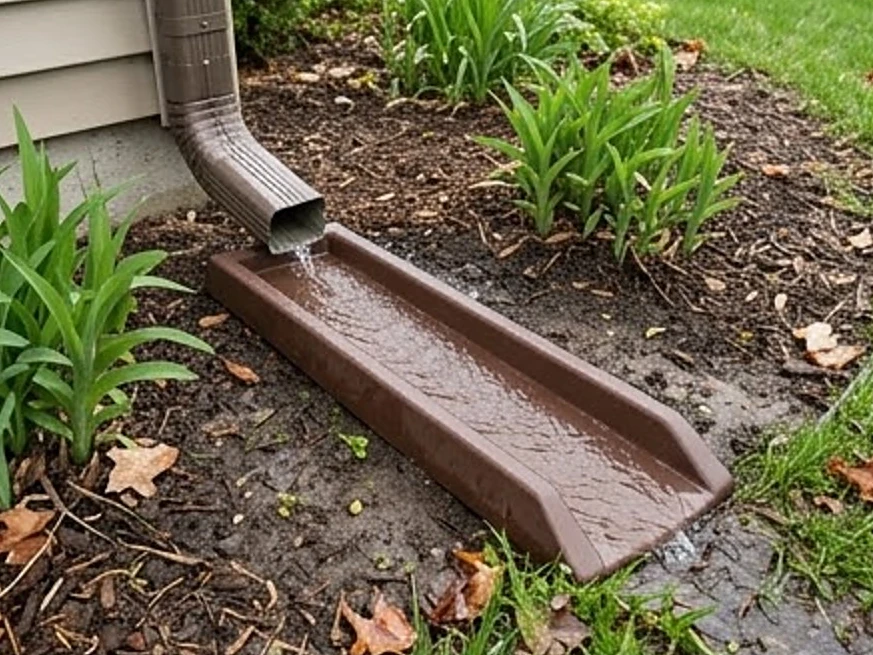
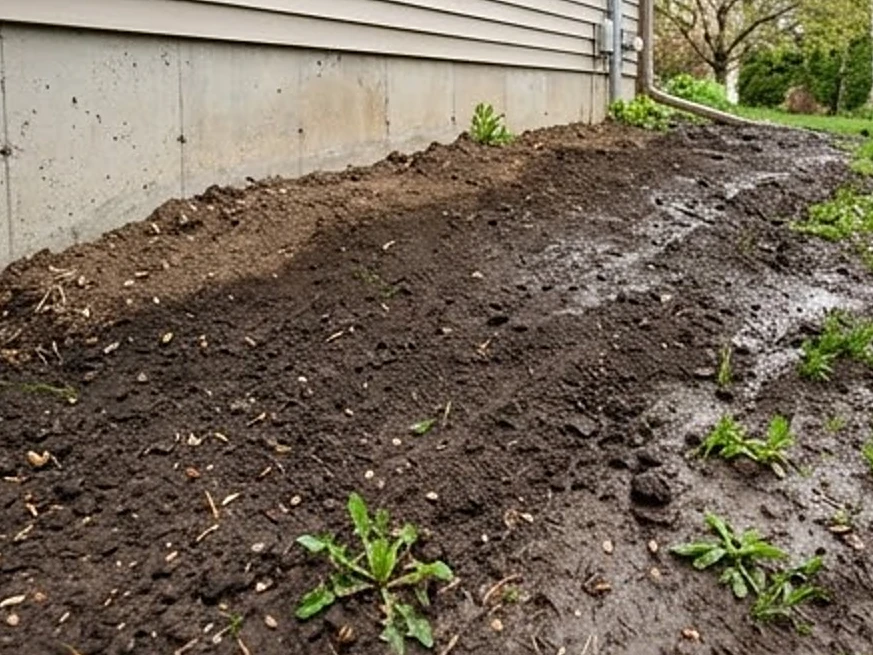
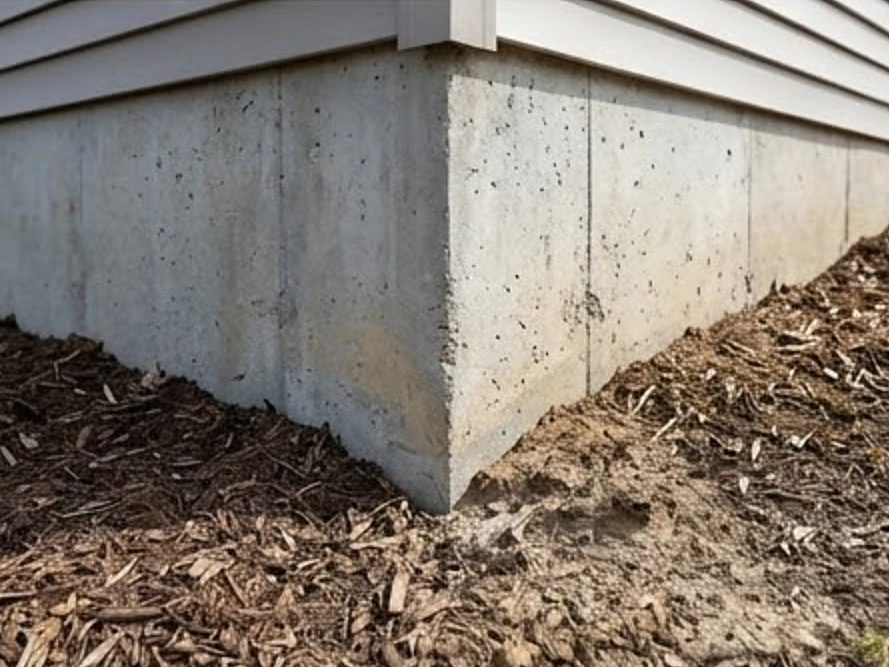
The Twin Cities landscape is glacial in origin, a mix of clay-rich tills, loam, and sandier deposits, with the Mississippi and Minnesota river bluffs and scattered wetlands shaping local moisture and groundwater. This matters for foundations because clay-heavy urban soils expand when wet and shrink when dry, which over years of Minnesota freeze-thaw and seasonal moisture swings can stress foundation walls, cause cracking, and contribute to settling. Lower-lying and river-bluff lots carry higher groundwater, which puts more hydrostatic pressure on basement walls and raises the importance of working drain tile and sump systems. During the inspection we read the foundation's actual behavior rather than relying on soil assumptions: we look for cracking patterns, bowing or leaning walls, horizontal cracks that suggest soil pressure, doors and windows that no longer close square, and uneven floors. Grading and drainage determine how much water reaches the foundation in the first place, and managing surface water is the single biggest factor you can control. Most foundations are sound and just need good water management; some need real attention. We'll tell you which is which. To understand a specific home, call us or use the free instant quote tool below.
In Minnesota and Iowa homes
Build your quote in 30 seconds.
No phone tag, no callback delay. Price and book your inspection right here — it takes about 30 seconds and there is no obligation.