
Home inspection in Saint Paul.
Closer Look Inspectors provides home inspection in Saint Paul, Ramsey County. Every Saint Paul inspection is documented in a photo-mapped digital report within 24 hours.
Why Saint Paul homes need a local read.
Saint Paul is the capital city, a dense stock of Victorian, Craftsman and early-1900s homes wrapped around the river bluffs and the lakes.
Saint Paul housing runs to Victorian, Craftsman and early-1900s homes with pockets of newer infill, across the river bluffs, the lakes neighborhoods, and the dense historic districts, on river-bluff and lake-adjacent clay sites.
See every Ramsey County city we serve →
Commercial property inspection in Saint Paul →
Saint Paul is served by our Saint Paul team → · (612) 457-1634
What we see in Saint Paul homes.
Saint Paul is the capital of Minnesota and covers 56.10 square miles at the confluence of the Mississippi and Minnesota Rivers, with steep river bluffs and 17 planning districts. Summit Avenue runs four and a half miles from downtown to the river and holds most of its grand houses from 1890 to 1920, per Wikipedia, in Summit Hill and Ramsey Hill. Macalester-Groveland grew after streetcars were extended to the area in the 1890s, with most housing built before 1939, and includes the curvy streets of Tangletown. Dayton's Bluff has homes largely built in the 1880s on a plateau above the river. Highland Park, Como Park and the West Side round out a city with very different blocks.
Different eras mean different inspections. In Summit Hill and other Victorian areas, old masonry and stone foundations, tuckpointing, chimneys, porches, slate or older roofing, radiator or early forced-air systems, and knob-and-tube or altered wiring in houses that predate 1950 are the common concerns. In Macalester-Groveland's pre-1939 houses and similar blocks, the questions are original sewer laterals, plaster ceilings, upgraded panels, and attic ventilation. On bluff and hillside lots such as Dayton's Around the Bluff and the river blocks, retaining walls, grading and water movement deserve attention. Around Como Lake, the focus is drainage and basement moisture. Each of these areas gets its own priorities.
Saint Paul has its own Truth-in-Sale of Housing program, and it differs from Minneapolis in an important way. It covers single-family homes, duplexes, condominiums and townhomes, and the report is prepared by a private, licensed evaluator hired by the seller, not by city staff. Per the city, the report is disclosure only, valid for one year and one sale, and the only mandatory item in a single-family home is a hard-wired smoke detector. The city itself says it is in the buyer's interest to hire an independent home inspector to identify all deficiencies before closing, which is exactly what we do.
That independent inspection is the real evaluation of the house. The structure, roof, exterior, windows, electrical, plumbing, heating, cooling, insulation and ventilation all matter, and it helps to know what is urgent and what is routine maintenance. For a 100-year-old house, that includes a discussion of what has been updated and what has not. Ramsey County is in EPA Radon Zone 1, and the Minnesota Department of Health recommends testing every Minnesota home, so radon testing is worth adding to any Saint Paul inspection. If you are buying a historic home, bring your questions about materials and repairs, and we will walk through the house with you.
Local facts checked September 2026 against: stpaul.gov, Wikipedia, Wikipedia, Wikipedia, Wikipedia.
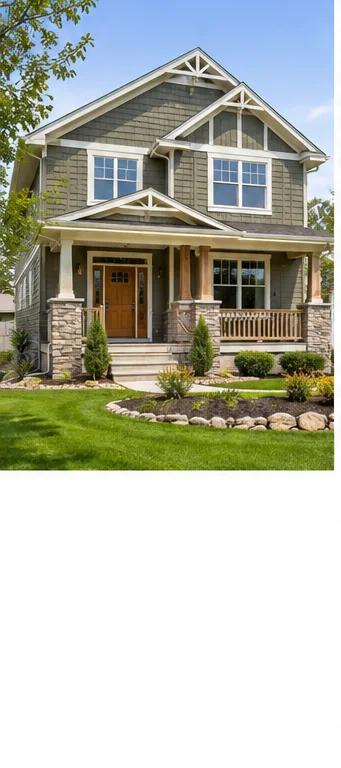 Report in 24 hours
Built to negotiate with.
Every inspection is documented in a clear, photo-mapped digital report delivered within 24 hours — written in plain English. Thermal imaging, moisture metering and a sewer-scope option are available as add-ons on applicable Saint Paul systems.
Services & specialty work.
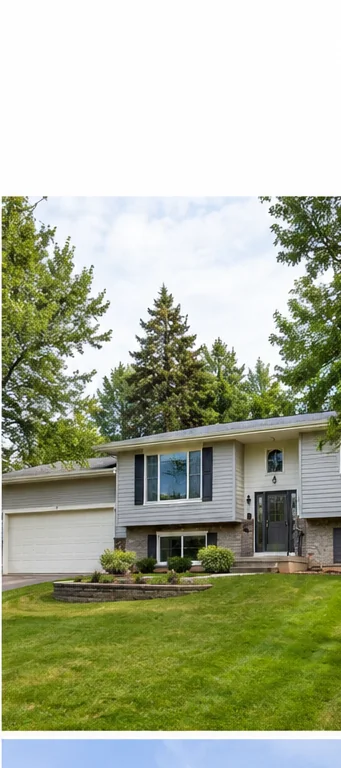
Residential Inspection
Residential inspection is the heart of Closer Look
Explore →Buyer's Inspection
A buyer's inspection is your own independent read on a home you have…
Explore →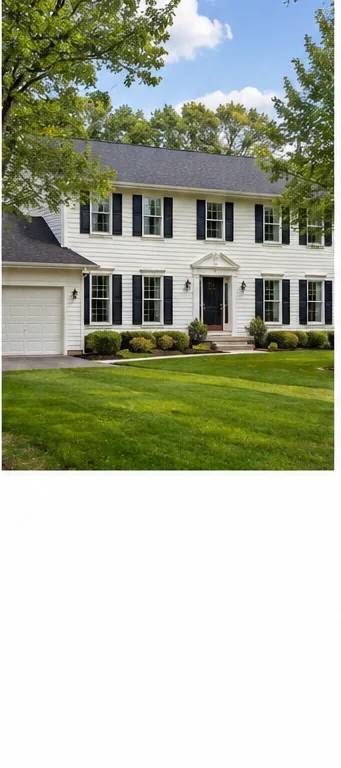
Pre-Listing Inspection
A pre-listing inspection lets a Minnesota seller surface and resolve…
Explore →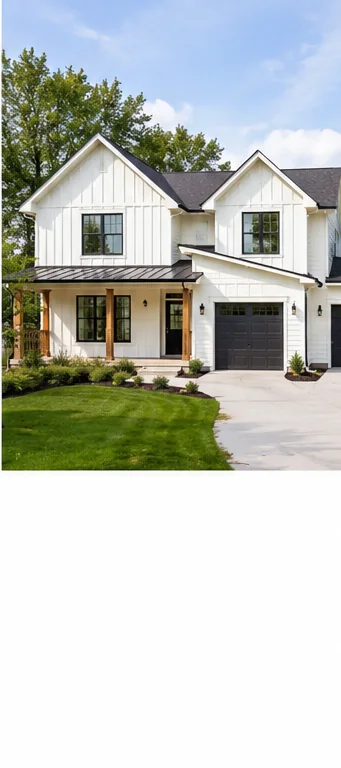
Radon Testing
Radon testing places an EPA-protocol continuous monitor on a home's…
Explore →
Sewer Scope Inspection
A sewer scope
Explore →
Thermal Imaging
Infrared thermal imaging uses a calibrated thermal camera to surface…
Explore →Mold Inspection
A mold and moisture inspection
Explore →Foundation Inspection
A foundation inspection reads a home's structure
Explore →Roof Inspection
A roof inspection evaluates the covering, flashing, penetrations and…
Explore →HVAC Inspection
An HVAC inspection
Explore →Electrical Inspection
An electrical inspection assesses a home's service, panel and visible…
Explore →Plumbing Inspection
A plumbing inspection covers a home's supply and drain systems, the…
Explore →New Construction Inspection
A new construction inspection gives a newly built home an independent…
Explore →11-Month Warranty Inspection
An 11-month warranty inspection times a full review to the end of a…
Explore →Well Water Testing
Water testing for Minnesota homes, above all those on a private well…
Explore →Four steps, no guesswork.
Get a quote
Build your free quote online in about a minute — or call us to talk it through.
Inspection day
A patient on-site visit. Thermal imaging, moisture checks and a sewer scope can be added in the quote.
Walkthrough
An on-the-spot rundown of the key findings, in plain English.
Get the report
A photo-mapped digital report within 24 hours, built to negotiate with.
Common questions.
Is the Saint Paul TISH report the same as a home inspection?
Does the seller have to fix things listed on a Saint Paul TISH report?
What should I check in a Summit Hill or Ramsey Hill Victorian?
What are the differences between homes in Highland Park, Mac-Groveland and Como?
Is radon a concern in Saint Paul?
Do you inspect Saint Paul's older historic homes?
How long does an inspection take?
Build your quote in 30 seconds.
No phone tag, no callback delay. Price and book your inspection right here — it takes about 30 seconds and there is no obligation.