
Mold Inspection in West Amana
Mold Inspection in West Amana, IA by Closer Look Inspectors. A photo-mapped digital report within 24 hours.
Mold Inspection in West Amana
Mold Inspection in West Amana, Iowa County, by Closer Look Inspectors. West Amana is an Amana Colony village built largely of local sandstone.
A mold and moisture inspection — mold testing and mold detection in one visit — pairs infrared moisture mapping with lab-backed sampling to locate active moisture and trace it to its source — a frequent issue in Iowa basements and older housing stock.
Questions about a West Amana home? · Call or text (563) 517-7815
 West Amana
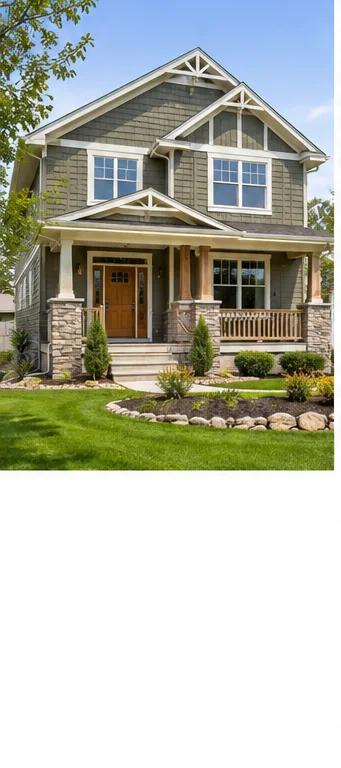
Homes in West Amana.
West Amana housing runs to pre-1932 communal-era colony houses, in West Amana's case favoring local sandstone, alongside brick and wood post-and-beam buildings, across the compact village along the colony road, with the old quarry ground and Amana Society farmland around it, on the Iowa River valley margin in Iowa County, with the sandstone beds the village built itself from close at hand — and that mix shapes what a mold inspection here needs to find.
Local conditions in West Amana
No Iowa law requires a home inspection before a sale — the one mandatory time-of-transfer inspection covers private septic systems (Iowa Code 455B.172) — which makes an independent inspection the only thorough, buyer-side read on a West Amana home. West Amana sits in Iowa County, and every Iowa county is EPA Radon Zone 1. Iowa HHS reports Iowa has the largest percentage of homes above the 4.0 pCi/L action level of any state — 71.6 percent in the Iowa Radon Survey — and the Iowa seller disclosure form asks for any known radon test results. Finished basements concentrate it, and only a 48-hour test gives you this home's number. Iowa leaves frost depth to the local building code rather than one statewide number, and the annual freeze-thaw cycle drives the settlement cracks and ice-dam wear that West Amana-area homes face.
Common questions.
How do you test for mold?
What drives moisture problems here?
How does a sandstone colony house inspect differently from a frame house?
More across Iowa.
Mold Inspection nearby
- Mold Inspection in High Amana · Iowa County
- Mold Inspection in South Amana · Iowa County
- Mold Inspection in Middle Amana · Iowa County
- Mold Inspection in Amana · Iowa County
- Mold Inspection in Marengo · Iowa County
- Mold Inspection in East Amana · Iowa County
Other inspections in West Amana
- Residential Inspection in West Amana
- Buyer's Inspection in West Amana
- Pre-Listing Inspection in West Amana
- Radon Testing in West Amana
- Sewer Scope Inspection in West Amana
- Thermal Imaging in West Amana
- Foundation Inspection in West Amana
- Roof Inspection in West Amana
- HVAC Inspection in West Amana
- Electrical Inspection in West Amana
- Plumbing Inspection in West Amana
- New Construction Inspection in West Amana
- 11-Month Warranty Inspection in West Amana
Questions about mold inspection
Build your quote in 30 seconds.
No phone tag, no callback delay. Price and book your inspection right here — it takes about 30 seconds and there is no obligation.