
Water testing in Little Canada
Water testing for Minnesota homes, above all those on a private well. An accredited laboratory tests the water for coliform bacteria and E. coli…
Well Water Testing in Little Canada
Water testing for Minnesota homes, above all those on a private well. An accredited laboratory tests the water for coliform bacteria and E. coli, nitrate, arsenic, lead, manganese, VOCs (volatile organic compounds), DRO (diesel range organics), iron, hardness, pH, fluoride, sulfate and uranium. The Minnesota Department of Health recommends testing a private well for coliform bacteria every year, nitrate every year, and arsenic and lead at least once.
Little Canada is a second-ring suburb founded by French-Canadian settlers in 1844, on Lake Gervais and I-35E. Housing here runs to mostly postwar houses from the years after it became a village in 1953, with some older farmhouses, newer townhomes and apartments, across the Lake Gervais east side, the I-35E and I-694 corridors.
Little Canada is served by our Saint Paul team → · (612) 457-1634
Well water in Ramsey County
MDA's township testing schedule lists no Ramsey County report, so there is no county nitrate percentage to quote. Private wells in the county are not covered by any MDA township sample, which means a well's quality is known only from its own test. MDH recommends that private well owners test for coliform bacteria every year, nitrate every year, and arsenic and lead at least once, using an accredited laboratory. A dated lab report is the only reliable way to know what is in a specific well.
County facts checked October 2026 against: mda.state.mn.us, Minnesota Department of Health.
Private wells and water systems around Little Canada

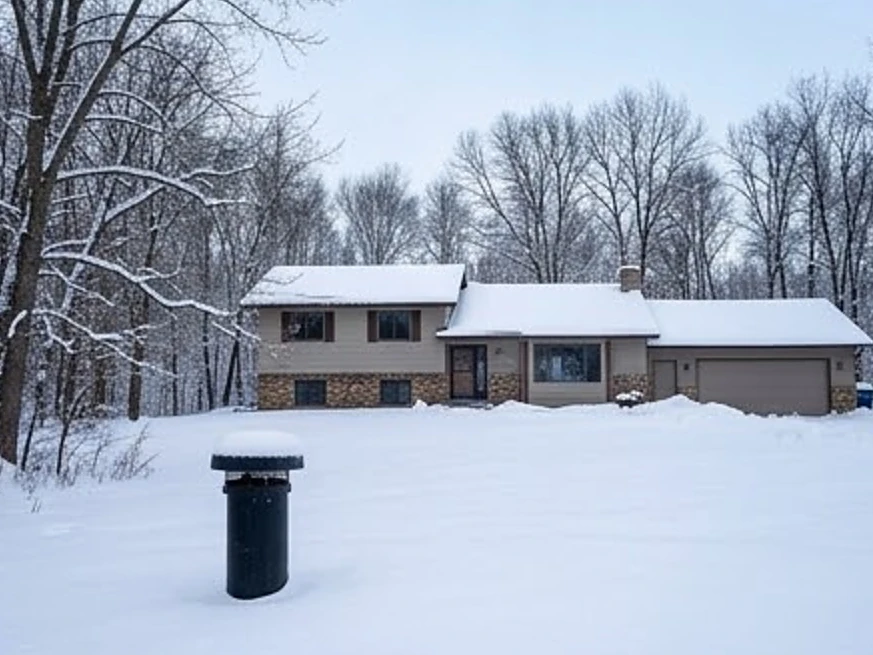
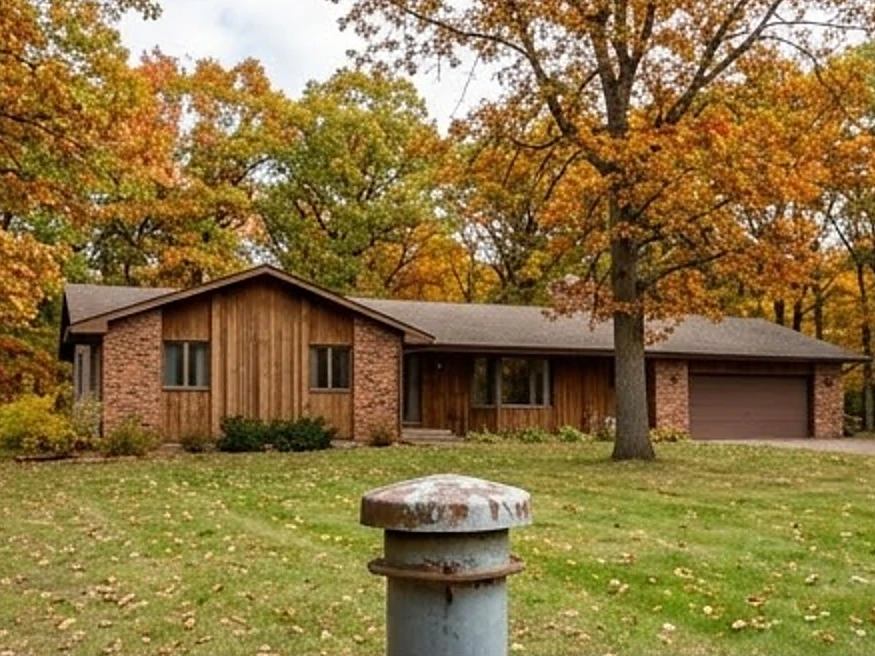
Home inspection in Little Canada → · More about well water testing → · Every water test, explained →
Water tests available in Little Canada
Bacteria
Shows whether surface water or waste is reaching the well.
- Surface contamination reaching the wellNone should be present (MDH)
- Fecal contamination from septic, manure or wildlifeNone should be present (MDH)
Health chemicals
No taste, color or smell. These are the long-term health checks.
- Fertilizer, septic and manure; highest risk to infants10 mg/L (EPA)
- Natural arsenic from Minnesota rock and soil10 µg/L (EPA)
- Lead service lines, solder and brass fixturesNo safe level (MDH)
- ManganeseNatural manganese; a concern for infants100 µg/L for infants (MDH guidance)
- FluorideNatural fluoride; dental health4.0 mg/L (EPA)
- UraniumNatural radionuclide in groundwater30 µg/L (EPA)
Petroleum & solvents
Fuel and chemical spills from old tanks or nearby sites.
Household quality
Staining, scale and taste, and choosing the right treatment.
- IronRusty staining and metallic taste0.3 mg/L, aesthetic (MDH)
- HardnessScale buildup; sizing a water softenerNo health standard
- pHCorrosive or scaling water6.5 to 8.5, aesthetic (EPA)
- SulfateTaste and odor; diarrhea risk for infants250 mg/L, aesthetic (EPA)
Limits from MDH, EPA and MPCA. Compare your lab results with these values.
Little Canada private well testing timeline
| Test | Year 1 | Year 2 | Year 3 | Year 4 | Year 5 | Year 6 |
|---|---|---|---|---|---|---|
| Coliform bacteria | ||||||
| Nitrate | ||||||
| Arsenic | ||||||
| Lead |
When to test your water
- Every yearColiform bacteria and nitrate, the basic safety checks for a private well. Nitrate can come from fertilizer, septic systems and animal waste.
- At least onceArsenic and lead. Arsenic can differ even between neighboring wells.
- Before a baby drinks the waterColiform bacteria, nitrate, arsenic, lead and manganese. MDH recommends testing a private well for all five before a baby drinks the water.
- When you buy a homeA full baseline while you can still ask questions or negotiate.
- After flooding or well workFlooding and repairs to the well are reasons to test again.
- When taste, color or smell changesMDH says a change in taste, smell or look is a reason to test for coliform bacteria.
- Near a fuel tank or industrial siteVOCs, plus DRO for diesel and heating oil. MDH says to consider a VOC test if the well is near fuel tanks or a commercial or industrial area.
- City water in an older homeLead. MDH says homes built before 1940 may have lead service lines, and plumbing parts made before 1986 may contain lead.
Based on: MDH well testing, MDH coliform bacteria, MDH nitrate, MDH water for babies, MDH flood precautions, MDH lead.
How to get it done
- Choose your testsPick the water testing you need in the free instant quote.
- Pick a timeBook online. The quote takes about 30 seconds.
- Get certified lab resultsA certified laboratory analyzes the water and reports each result.
How long a private well lasts in Little Canada
Wells built before 1974, when Minnesota's well code began, are listed by MDH as higher risk for bacteria, along with leaking dug wells, wells in old frost pits and wells with corroded casings.
Wells built before 1974 often have no record on file. Test the water before you close. Get a free instant quote
Buying a home with a well in Little Canada: the disclosure rules
- Before the purchase agreementThe seller discloses in writing every known well and whether it is in use, not in use or sealed.
- At closingA well disclosure certificate is signed, unless the deed says the seller knows of no wells.
- If a well was hiddenA seller who knew of an undisclosed well can owe the sealing cost and attorney fees if the buyer sues within six years.
The disclosure tells you a well exists, not what is in it. Add water testing to your inspection. Get a free instant quote
Common questions.
Who needs well water testing?
What does the water panel cover?
How often should a well be tested?
Is well water testing part of the home inspection?
Is there county nitrate data for private wells in Ramsey County?
My home is on city water. Is water testing still worth it?
When should a home be tested for DRO or VOCs?
Little Canada has French-Canadian roots. Are there older houses from that era?
Is there a safe limit for DRO in drinking water?
How often should I test my well for coliform bacteria in Minnesota?
How far must a well be from a lake, stream, or pond?
How can I tell if there is a forgotten well on my property?
More across Minnesota.
Well Water Testing nearby
- Well Water Testing in Vadnais Heights · Ramsey County
- Well Water Testing in Maplewood · Ramsey County
- Well Water Testing in Gem Lake · Ramsey County
- Well Water Testing in Roseville · Ramsey County
- Well Water Testing in North Saint Paul · Ramsey County
- Well Water Testing in White Bear Lake · Ramsey County
Other inspections in Little Canada
- Residential Inspection in Little Canada
- Buyer's Inspection in Little Canada
- Pre-Listing Inspection in Little Canada
- Radon Testing in Little Canada
- Sewer Scope Inspection in Little Canada
- Thermal Imaging in Little Canada
- Mold Inspection in Little Canada
- Foundation Inspection in Little Canada
- Roof Inspection in Little Canada
- HVAC Inspection in Little Canada
- Electrical Inspection in Little Canada
- Plumbing Inspection in Little Canada
- New Construction Inspection in Little Canada
- 11-Month Warranty Inspection in Little Canada
Questions about well water testing
Build your quote in 30 seconds.
No phone tag, no callback delay. Price and book your inspection right here — it takes about 30 seconds and there is no obligation.