
Home inspection in Buffalo.
Closer Look Inspectors provides home inspection in Buffalo, Wright County. Every Buffalo inspection is documented in a photo-mapped digital report within 24 hours.
Why Buffalo homes need a local read.
Buffalo is a lake-centered county seat of mixed older and newer housing.
Buffalo housing runs to a mixed stock of older core homes and newer lake-side subdivisions, across the lake neighborhoods and the historic county-seat core, on lake-adjacent rolling till.
What we see in Buffalo homes.
Buffalo was platted in 1856 and named for Buffalo Lake, and it has been the Wright County seat since 1867, after Monticello held that role from 1856. The city covers 9.90 square miles, of which 2.14 are water, including Buffalo Lake and Lake Pulaski, and Highways 25 and 55 are the main routes into town. The 2020 census counted 16,168 residents, up from 15,453 in 2010. Older streets around the county-seat core and newer neighborhoods sit in the same city, and a sizable share of its area is water.
A city platted in 1856 has houses from many eras, so establishing the age comes first. In the older core, wiring, foundations, roofs, chimneys, and past additions are the common concerns. Near Buffalo Lake and Lake Pulaski, grading, foundation walls, sump pumps, and any retaining walls near the water deserve close attention. In newer subdivisions, attic ventilation, deck flashing, and settled grading are the usual concerns. Wright County is EPA Radon Zone 1, and the Minnesota Department of Health recommends every Minnesota home be tested.
Local facts checked September 2026 against: Wikipedia, courthouses.co.
 Report in 24 hours
Built to negotiate with.
Every inspection is documented in a clear, photo-mapped digital report delivered within 24 hours — written in plain English. Thermal imaging, moisture metering and a sewer-scope option are available as add-ons on applicable Buffalo systems.
Services & specialty work.

Residential Inspection
Residential inspection is the heart of Closer Look
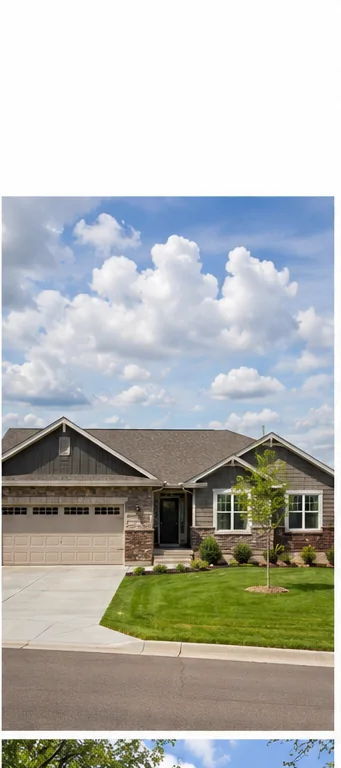
Explore →Buyer's Inspection
A buyer's inspection is your own independent read on a home you have…
Explore →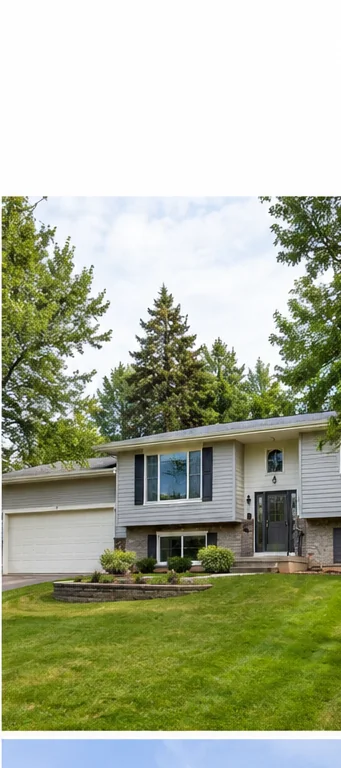
Pre-Listing Inspection
A pre-listing inspection lets a Minnesota seller surface and resolve…
Explore →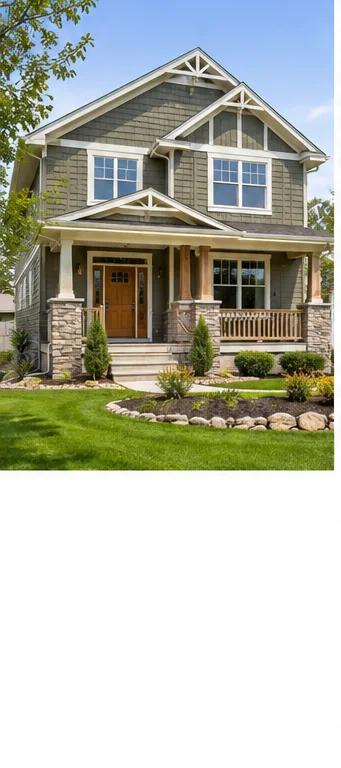
Radon Testing
Radon testing places an EPA-protocol continuous monitor on a home's…
Explore →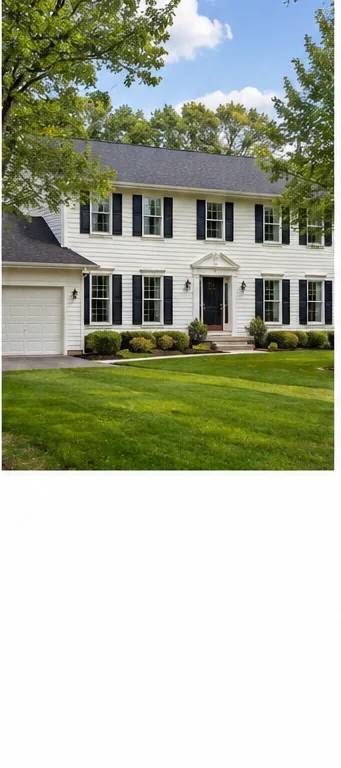
Sewer Scope Inspection
A sewer scope
Explore →
Thermal Imaging
Infrared thermal imaging uses a calibrated thermal camera to surface…
Explore →Mold Inspection
A mold and moisture inspection
Explore →Foundation Inspection
A foundation inspection reads a home's structure
Explore →Roof Inspection
A roof inspection evaluates the covering, flashing, penetrations and…
Explore →HVAC Inspection
An HVAC inspection
Explore →Electrical Inspection
An electrical inspection assesses a home's service, panel and visible…
Explore →Plumbing Inspection
A plumbing inspection covers a home's supply and drain systems, the…
Explore →New Construction Inspection
A new construction inspection gives a newly built home an independent…
Explore →11-Month Warranty Inspection
An 11-month warranty inspection times a full review to the end of a…
Explore →Well Water Testing
Water testing for Minnesota homes, above all those on a private well…
Explore →Septic Inspection
Septic inspection for homes on a private septic system (SSTS). We…
Explore →Four steps, no guesswork.
Get a quote
Build your free quote online in about a minute — or call us to talk it through.
Inspection day
A patient on-site visit. Thermal imaging, moisture checks and a sewer scope can be added in the quote.
Walkthrough
An on-the-spot rundown of the key findings, in plain English.
Get the report
A photo-mapped digital report within 24 hours, built to negotiate with.
Common questions.
How do I tell how old a house on Buffalo's older streets is?
Does a house near Lake Pulaski or Buffalo Lake need extra checks?
Where do I find records on a Buffalo house, since it is the county seat?
Do you inspect both older and newer Buffalo homes?
How long does an inspection take?
Build your quote in 30 seconds.
No phone tag, no callback delay. Price and book your inspection right here — it takes about 30 seconds and there is no obligation.