
Home inspection in Pine Springs.
Closer Look Inspectors provides home inspection in Pine Springs, Washington County. Every Pine Springs inspection is documented in a photo-mapped digital report within 24 hours.
Why Pine Springs homes need a local read.
Pine Springs is a low-density Washington County residential city at Interstate 694 and Highway 36.
Pine Springs housing runs to 1970s to 1990s houses on larger lots, with some older homes among them, across the residential lots and wooded parcels between Interstate 694 and Highway 36, on glacial drift uplands in western Washington County.
See every Washington County city we serve →
Pine Springs is served by our Saint Paul team → · (612) 457-1634
What we see in Pine Springs homes.
Pine Springs is one of the smallest cities in the metro, at 0.92 square miles and 377 residents in 2020. Interstate 694 and Highway 36 are its two main routes. The population went from 142 in 1960 to 436 in 1990, which fits the mix of 1970s-to-1990s houses on larger lots, with some older homes among them. Because the city is so small and so low in density, the housing is closer to acreage-style suburban houses than to a tract neighborhood, on wooded parcels at about 965 feet of elevation.
On larger wooded lots, the inspection focuses on trees, grading and drainage. Roots and shade near foundations, gutters clogged with leaves, and slopes that carry runoff toward the house all matter. Houses from the 1970s to 1990s also raise the usual questions: roof age, attic ventilation, original windows, furnace and water heater age and panel condition. Buyers should confirm what utilities serve each property. Washington County is EPA Radon Zone 1, and MDH recommends every Minnesota home be tested.
Local facts checked September 2026 against: Wikipedia, Minnesota Department of Health.
 Report in 24 hours
Built to negotiate with.
Every inspection is documented in a clear, photo-mapped digital report delivered within 24 hours — written in plain English. Thermal imaging, moisture metering and a sewer-scope option are available as add-ons on applicable Pine Springs systems.
Services & specialty work.

Residential Inspection
Residential inspection is the heart of Closer Look
Explore →Buyer's Inspection
A buyer's inspection is your own independent read on a home you have…
Explore →
Pre-Listing Inspection
A pre-listing inspection lets a Minnesota seller surface and resolve…
Explore →
Radon Testing
Radon testing places an EPA-protocol continuous monitor on a home's…
Explore →
Sewer Scope Inspection
A sewer scope
Explore →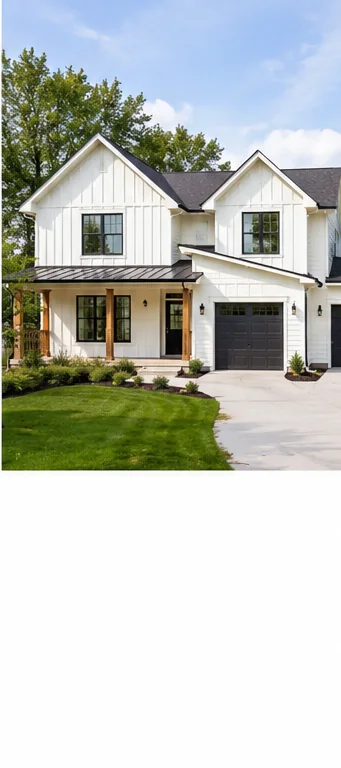
Thermal Imaging
Infrared thermal imaging uses a calibrated thermal camera to surface…
Explore →Mold Inspection
A mold and moisture inspection
Explore →Foundation Inspection
A foundation inspection reads a home's structure
Explore →Roof Inspection
A roof inspection evaluates the covering, flashing, penetrations and…
Explore →HVAC Inspection
An HVAC inspection
Explore →Electrical Inspection
An electrical inspection assesses a home's service, panel and visible…
Explore →Plumbing Inspection
A plumbing inspection covers a home's supply and drain systems, the…
Explore →New Construction Inspection
A new construction inspection gives a newly built home an independent…
Explore →11-Month Warranty Inspection
An 11-month warranty inspection times a full review to the end of a…
Explore →Well Water Testing
Water testing for Minnesota homes, above all those on a private well…
Explore →Four steps, no guesswork.
Get a quote
Build your free quote online in about a minute — or call us to talk it through.
Inspection day
A patient on-site visit. Thermal imaging, moisture checks and a sewer scope can be added in the quote.
Walkthrough
An on-the-spot rundown of the key findings, in plain English.
Get the report
A photo-mapped digital report within 24 hours, built to negotiate with.
Common questions.
Are houses in a city as small as Pine Springs harder to inspect?
What do mature trees and larger lots mean for a Pine Springs house?
Do I need a radon test for a Pine Springs house?
How does a Pine Springs house differ from a typical suburb?
How long does an inspection take?
Build your quote in 30 seconds.
No phone tag, no callback delay. Price and book your inspection right here — it takes about 30 seconds and there is no obligation.