Reports within 24 hours · Get your free instant quote
Little Rock, AR · Pulaski County

Mold Inspection Little Rock, AR.

Closer Look Inspectors offers mold inspection and mold testing in Little Rock, Pulaski County, Arkansas, through a local partner in our Arkansas network.

Why moisture builds up in Little Rock homes

Water nearby: The Arkansas River lies along the city's north side, Fourche Creek and Rock Creek are creeks in the city, and Lake Maumelle supplies its drinking water.

Flood history: The Arkansas River crested at 29.71 feet at Little Rock on June 5, 2019, and floodwater backed up into tributaries including Fourche Creek.

Setting: Little Rock sits where foothills rising northwest toward the Ozark Plateau, Delta lands stretching east and rolling plains running southwest all meet.

Arkansas summers are hot and humid. NOAA's 1991-2020 normals put average yearly precipitation at Little Rock 50.4 inches. Warm, damp air is what lets mold take hold in attics, crawlspaces and bathrooms.

Housing age and hidden moisture in Little Rock

Housing: The Quapaw Quarter Historic District was formed in 1964 to save old homes on the east side of town, a viaduct opened the way west to Pulaski Heights (annexed in 1916), and Chenal Valley was opened to building in 1990.

In pictures

Where moisture and mold hide.

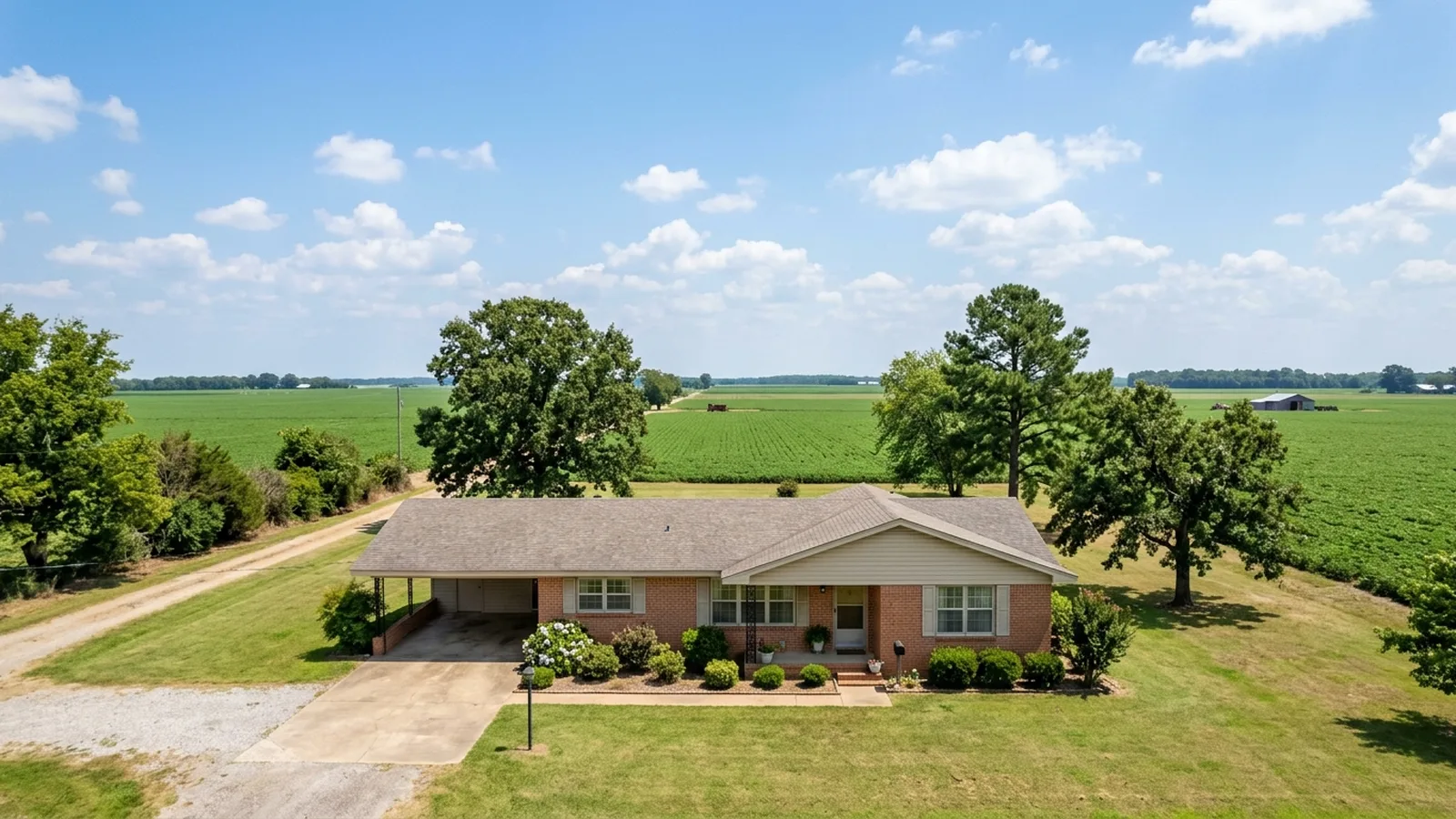
Illustrative photos of the kinds of homes and conditions found in this area.
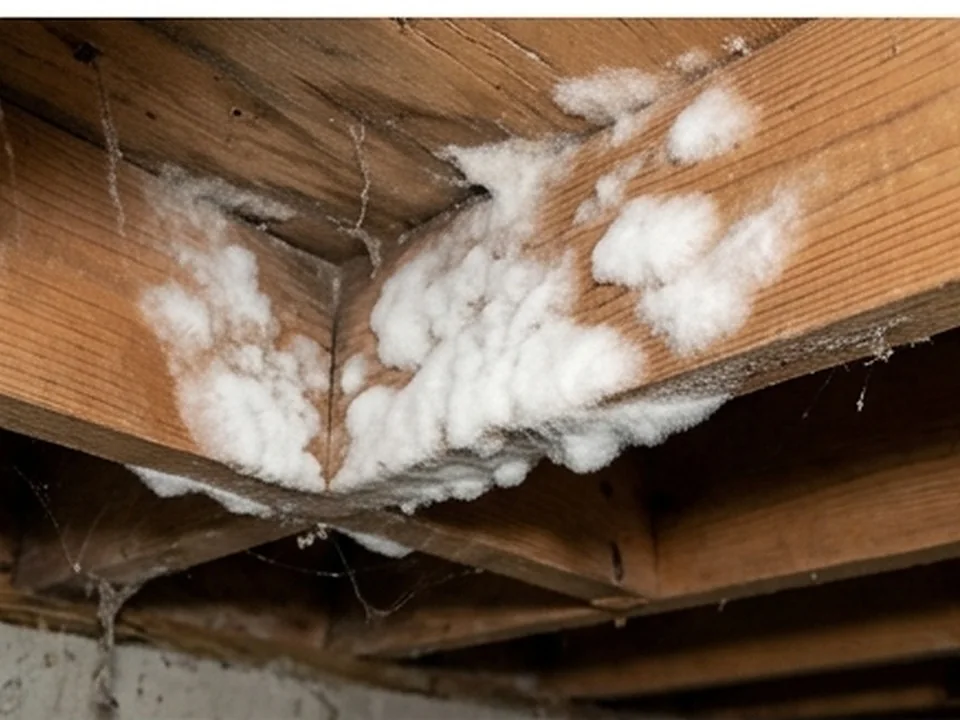
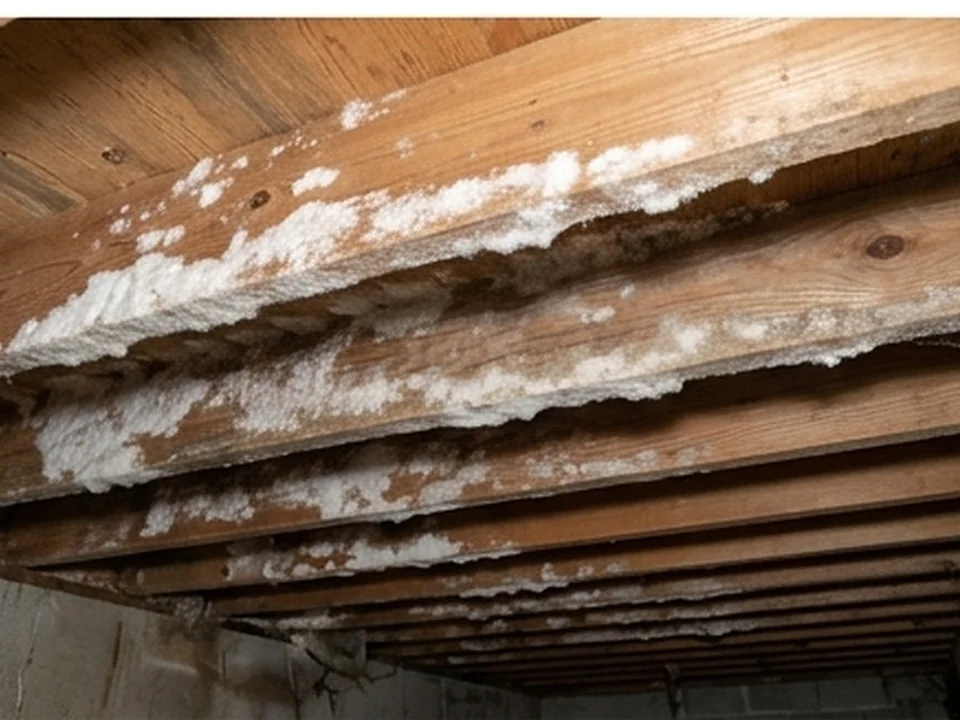
White mold growth on wooden floor joists (close-up)
White mold growth on wooden floor joists (wider view)
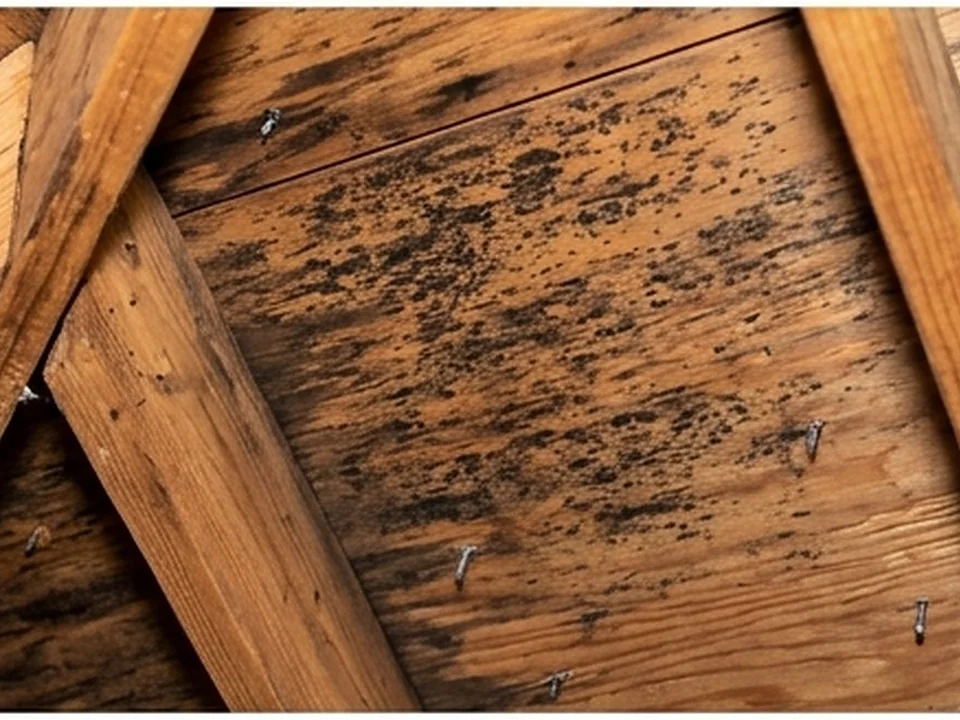
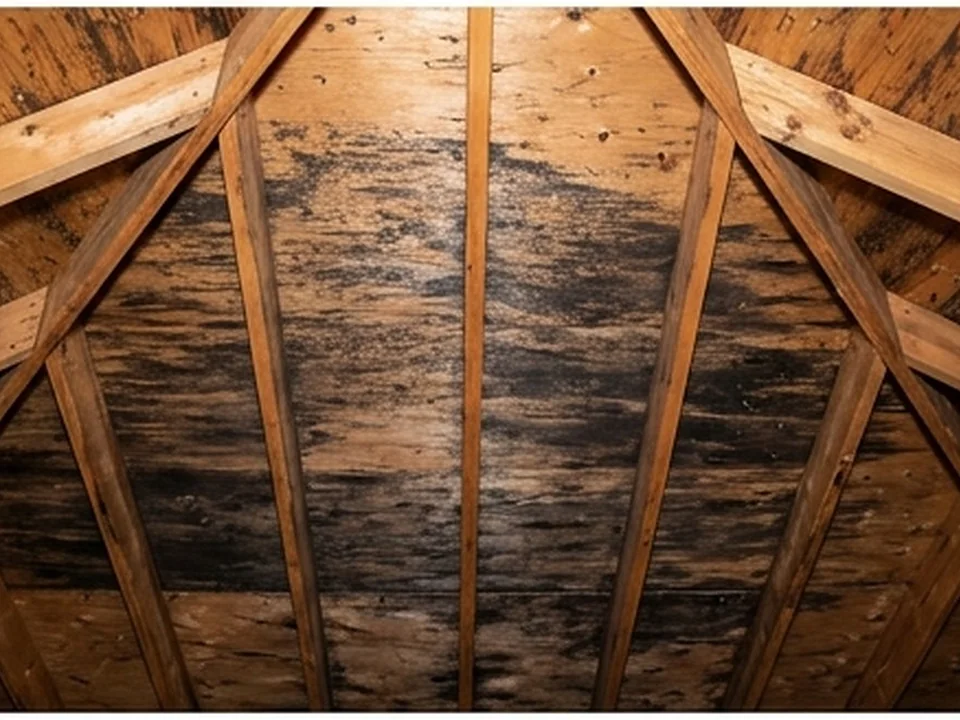
Dark mold staining on attic roof sheathing (close-up)
Dark mold staining on attic roof sheathing (wider view)
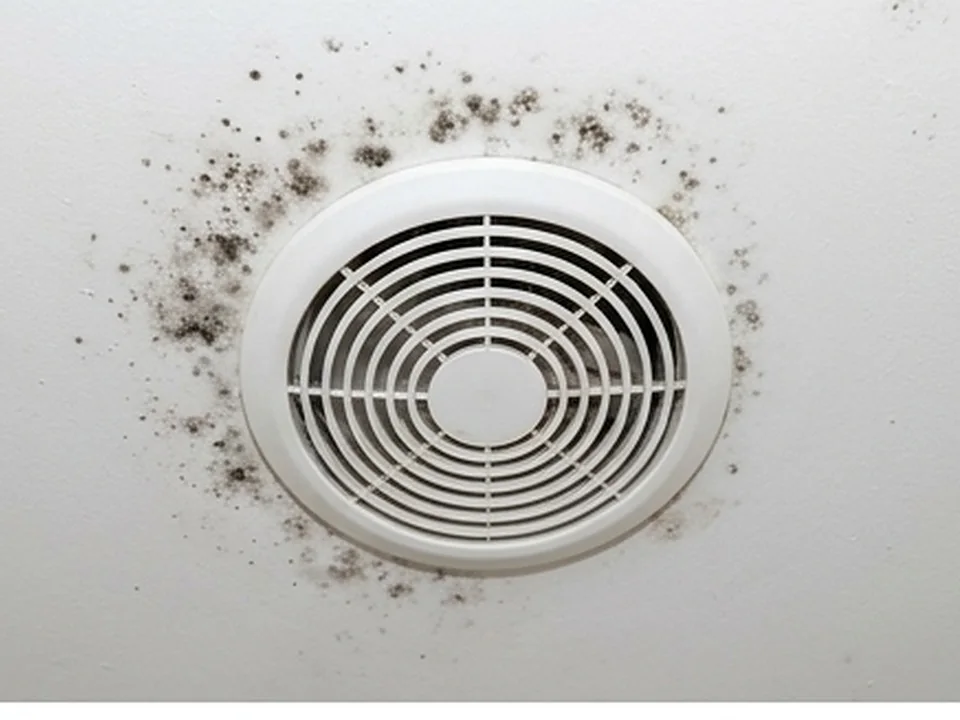
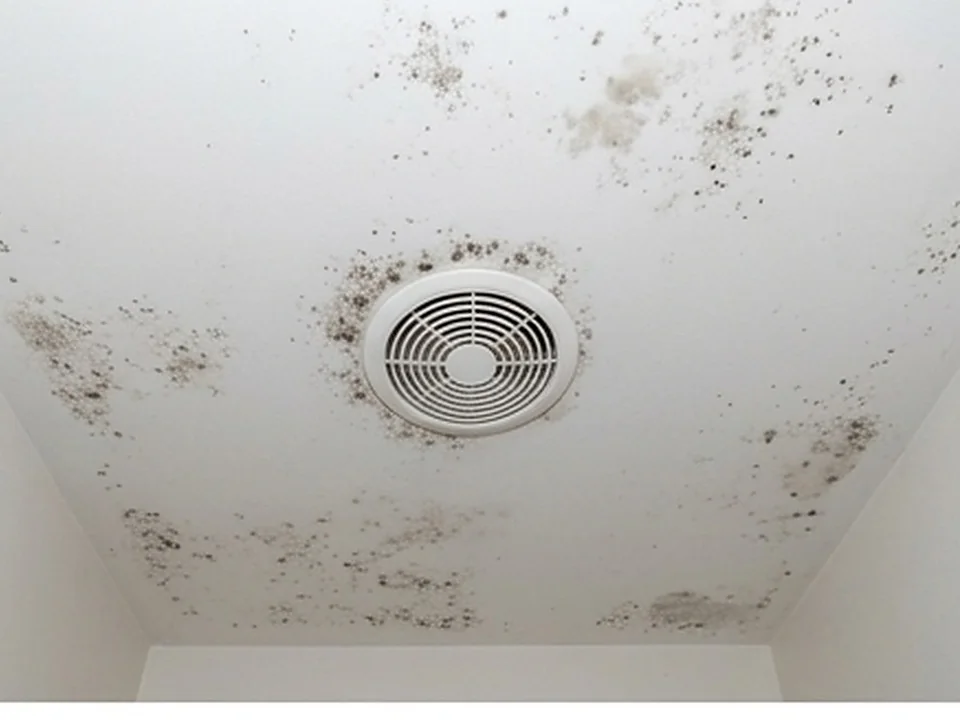
Mold spots on a bathroom ceiling around an exhaust fan (close-up)
Mold spots on a bathroom ceiling around an exhaust fan (wider view)
Questions

Common questions.

Where does the name Little Rock come from?
The name comes from a small rock outcrop on the south bank of the Arkansas River, which the French called le Petit Rocher. It first appeared on a map in 1799.
How high did the Arkansas River get at Little Rock in 2019?
It crested at 29.71 feet on June 5, 2019, which was 6.71 feet above flood stage. Floodwater also backed up into Fourche Creek.
Why is mold such a concern in Arkansas homes?
Arkansas has hot, humid summers. NOAA's 1991-2020 normals put Little Rock's average yearly precipitation at about 50 inches and its July average temperature at about 81 F. EPA advises keeping indoor humidity below 60 percent, ideally 30 to 50 percent. Warm, damp air is why moisture problems show up in Arkansas attics, crawlspaces and bathrooms.
Why do crawlspaces matter in Arkansas houses?
EPA notes that crawl spaces with high humidity are common sites of hidden mold growth, especially over bare soil, and that soil moisture raises the humidity in the air above it. Arkansas summers are humid, so crawlspace moisture is a common thing buyers ask about. EPA also advises grading the ground away from the foundation so it does not stay wet.
Free instant quote

Build your quote in 30 seconds.

No phone tag, no callback delay. Price and book your inspection right here — it takes about 30 seconds and there is no obligation.

Free Instant Quote & SchedulerPowered by InspectorData
Free Instant Quote