
Home inspection in Arkansas.
Closer Look Inspectors offers home inspections and mold inspections in Arkansas, centered on Hardy and the Spring River country of north Arkansas, plus Little Rock, Northwest Arkansas and Fort Smith. Arkansas homes are inspected by local partners in our network.
Climate and moisture in Arkansas
Arkansas summers are hot and humid. NOAA's 1991-2020 normals put average yearly precipitation at Little Rock 50.4 inches. Warm, damp air is what lets mold take hold in attics, crawlspaces and bathrooms.
The land under Arkansas homes
Salem Plateau: Surface underlain primarily by dolostone (Everton, Cotter, Powell formations); solution sinkholes occur in these dolostones, with less karst development than the Springfield Plateau. Mammoth Spring, Arkansas's largest spring (avg 118,500 gal/min), is in this region.
Springfield Plateau: Surface underlain by Boone Formation limestone, which holds most of the Ozark karst features and more than half of Arkansas's caves; solution and collapse sinkholes are abundant; disappearing streams and dry valleys common.
Mississippi Alluvial Plain (Delta): Flattest part of Arkansas (about 100-300 ft elevation); deep alluvial soils built by the Mississippi, Arkansas and White rivers, often dense and poorly drained; flat ground and weak drainage favor wetlands and flooding.
Crowley's Ridge: Narrow ridge rising above the Delta, capped by wind-deposited loess up to about 50 ft deep in places; loess is easily eroded and needs vegetative cover; steep slopes and deep valleys characterize much of the ridge.
Arkansas homes.
Illustrative photos of the kinds of homes and conditions found in this area.
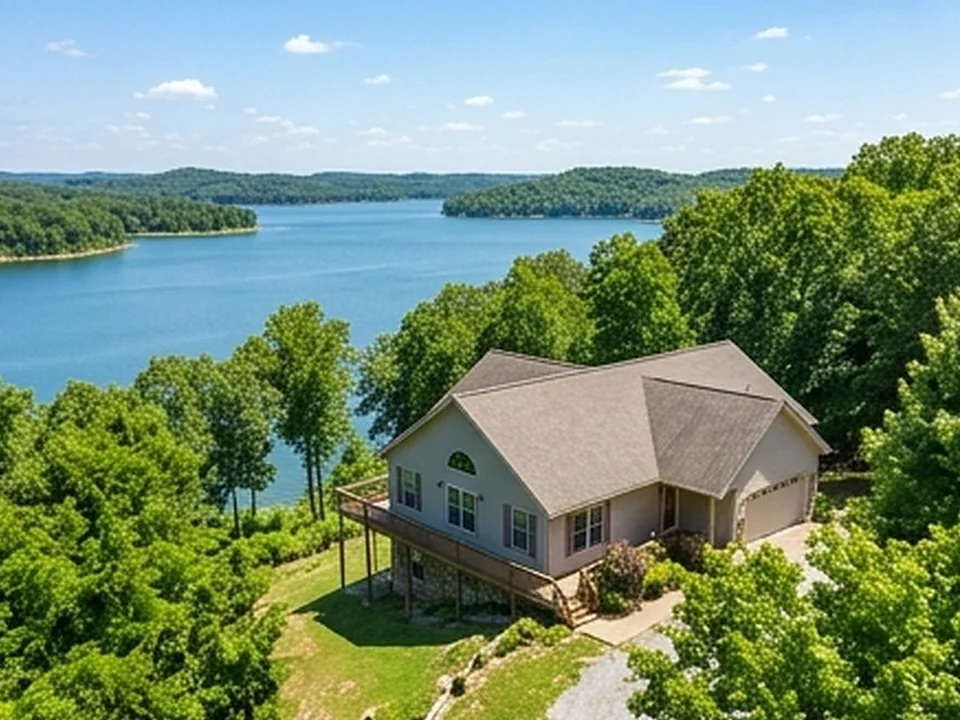
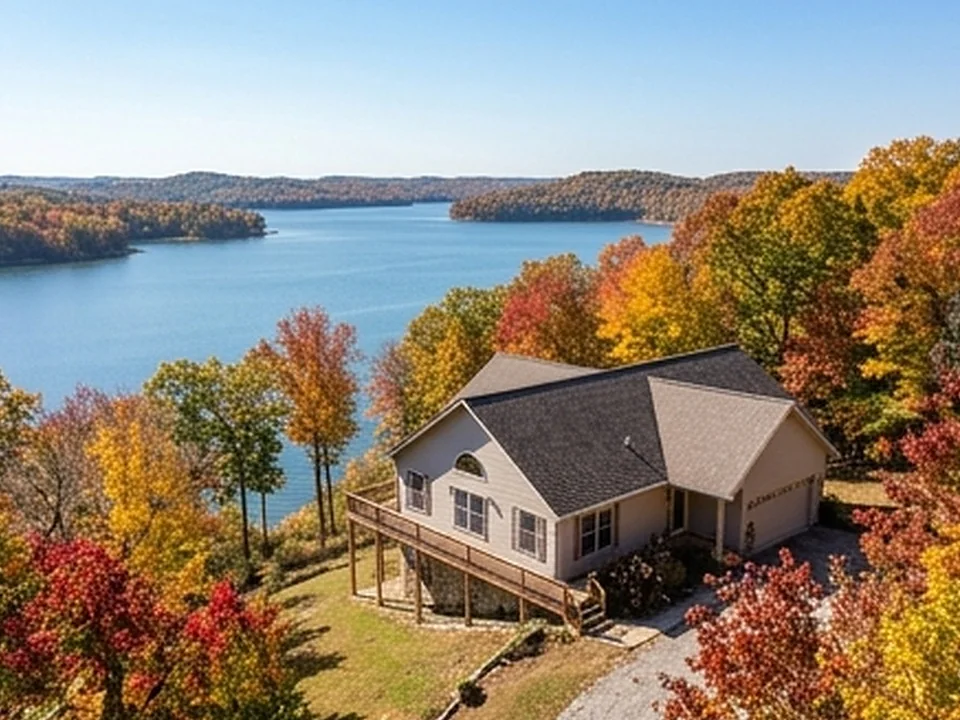
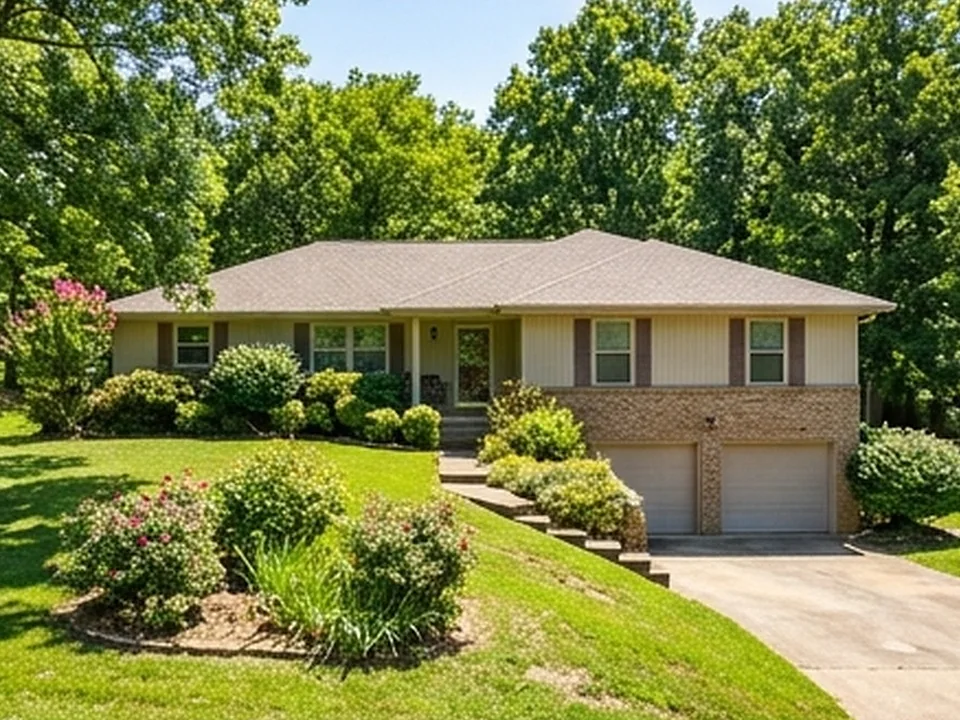
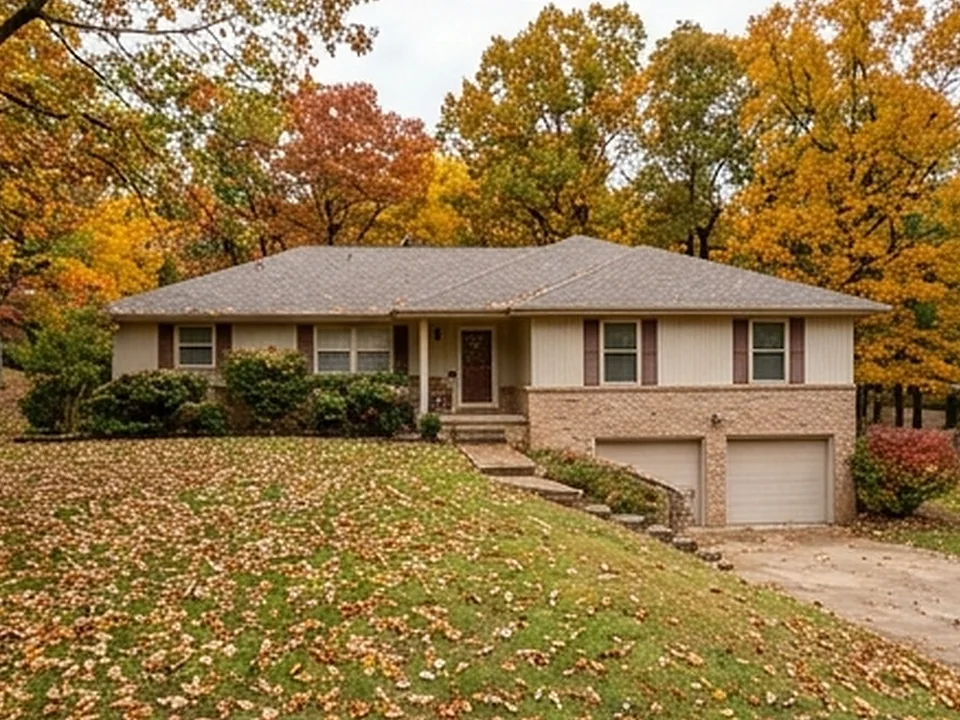
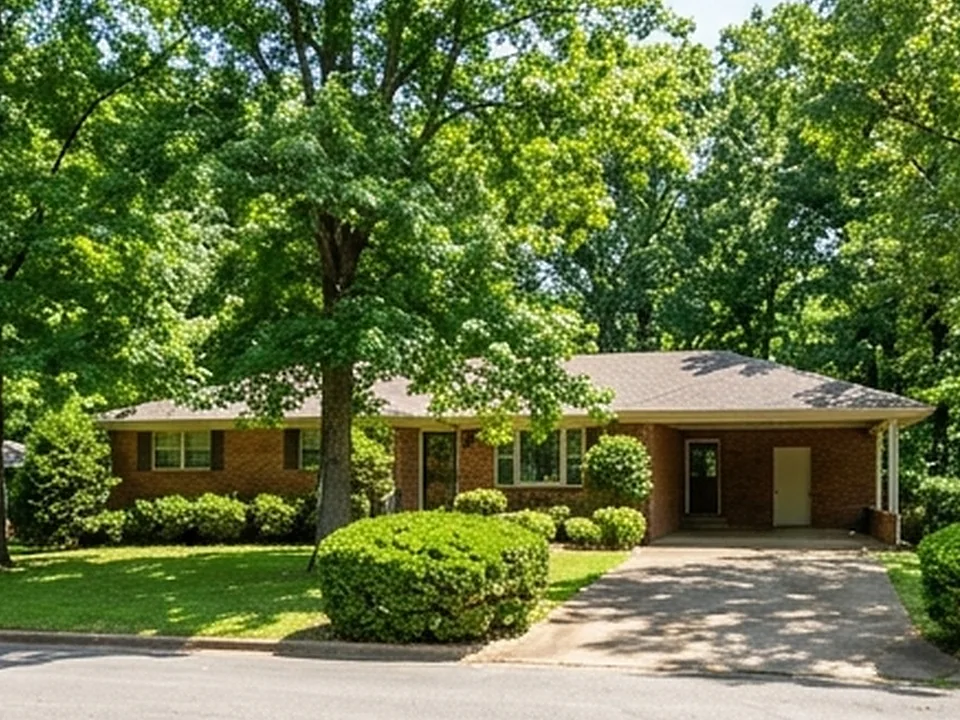
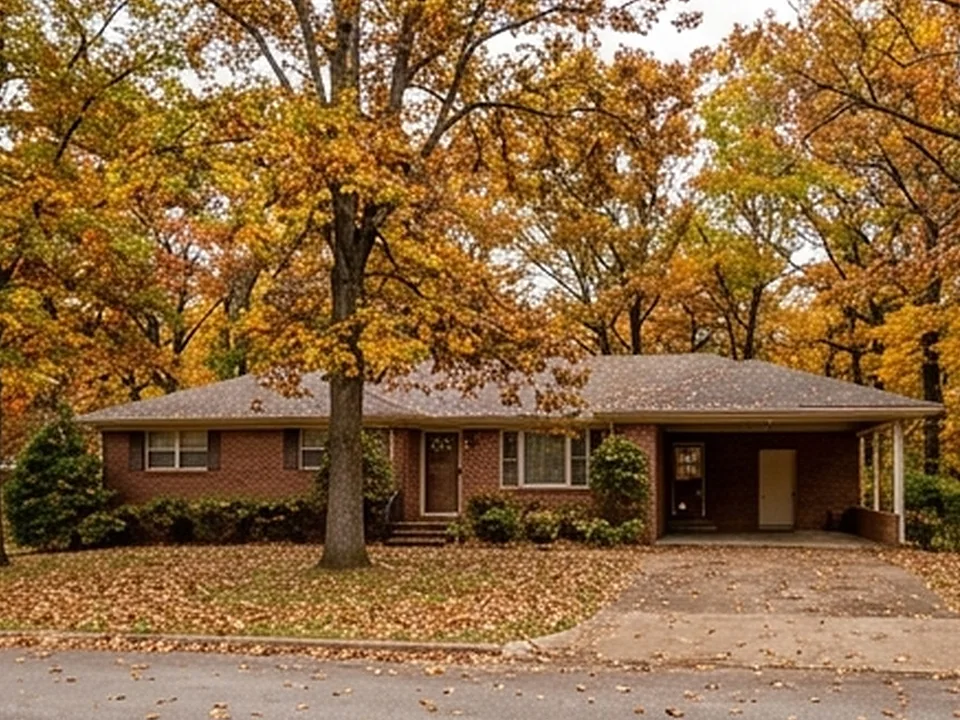
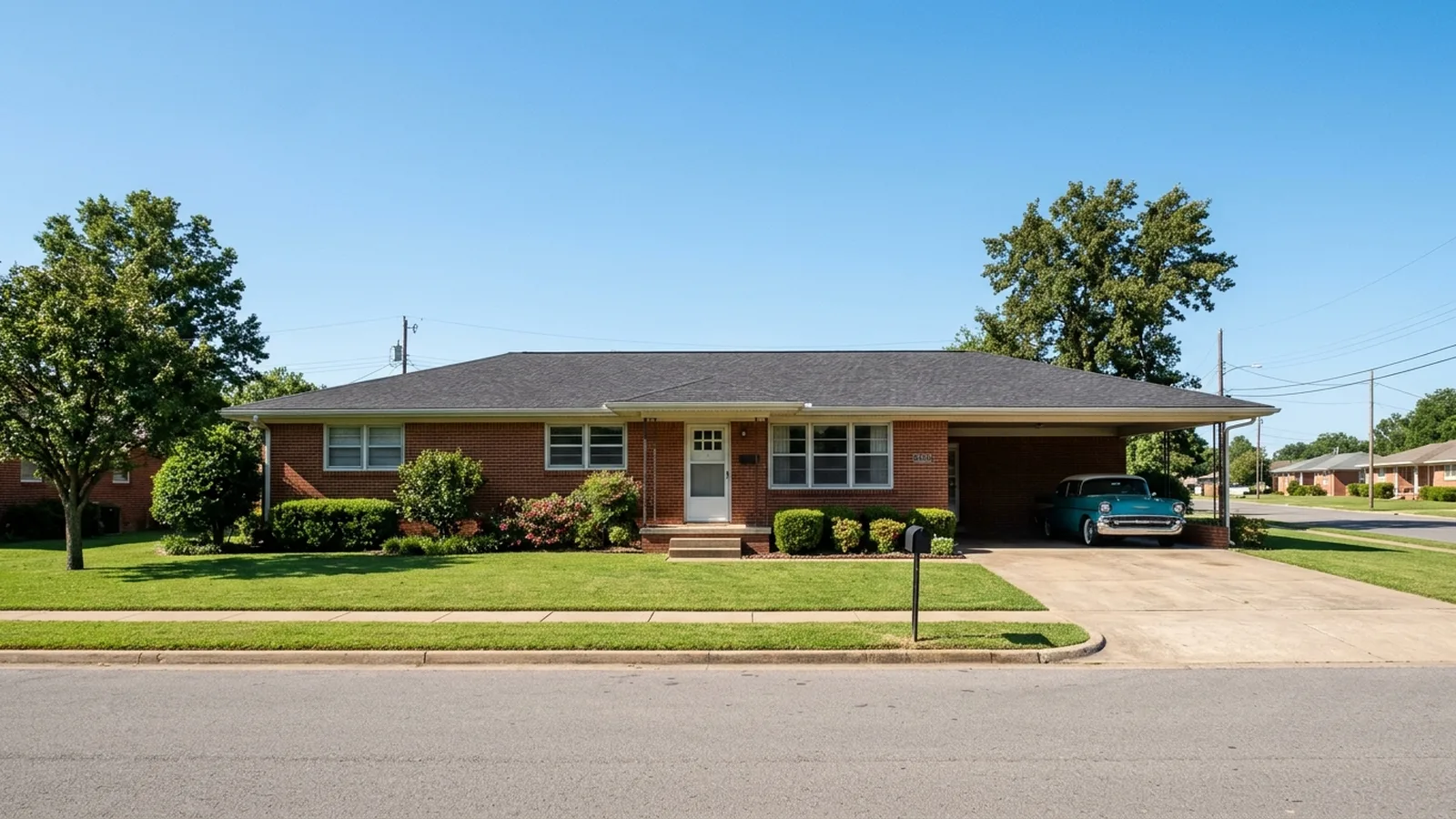
Arkansas towns we serve.
- Alicia, AR
- Amagon, AR · mold
- Ash Flat, AR · mold
- Augusta, AR · mold
- Austin, AR
- Bald Knob, AR
- Bassett, AR
- Batesville, AR · mold
- Bay, AR · mold
- Beebe, AR
- Beedeville, AR · mold
- Bellefonte, AR · mold
- Bentonville, AR · mold
- Bergman, AR
- Big Flat, AR
- Biggers, AR · mold
- Birdsong, AR · mold
- Black Oak, AR
- Black Rock, AR · mold
- Blytheville, AR · mold
- Bono, AR · mold
- Bradford, AR · mold
- Briarcliff, AR · mold
- Brinkley, AR
- Brookland, AR
- Bull Shoals, AR · mold
- Burdette, AR · mold
- Cabot, AR
- Caldwell, AR · mold
- Calico Rock, AR · mold
- Campbell Station, AR
- Caraway, AR
- Cash, AR · mold
- Cave City, AR · mold
- Cherokee Village, AR · mold
- Cherry Valley, AR · mold
- Clinton, AR · mold
- Colt, AR · mold
- Concord, AR
- Conway, AR · mold
- Corning, AR · mold
- Cotter, AR · mold
- Cotton Plant, AR
- Crawfordsville, AR · mold
- Cushman, AR
- Damascus, AR · mold
- Datto, AR
- Delaplaine, AR · mold
- Dell, AR · mold
- Des Arc, AR · mold
- Diamond City, AR · mold
- Diaz, AR
- Dyess, AR · mold
- Earle, AR · mold
- Egypt, AR · mold
- Enola, AR · mold
- Etowah, AR
- Evening Shade, AR · mold
- Everton, AR
- Fairfield Bay, AR · mold
- Fargo, AR · mold
- Fayetteville, AR · mold
- Fifty-Six, AR · mold
- Fisher, AR
- Flippin, AR · mold
- Forrest City, AR · mold
- Fort Smith, AR · mold
- Franklin, AR
- Garner, AR
- Gassville, AR · mold
- Georgetown, AR · mold
- Gilbert, AR
- Gilmore, AR · mold
- Gosnell, AR · mold
- Greenbrier, AR · mold
- Greenway, AR
- Greers Ferry, AR · mold
- Griffithville, AR
- Grubbs, AR · mold
- Guion, AR · mold
- Guy, AR · mold
- Hardy, AR · mold
- Harrisburg, AR · mold
- Harrison, AR · mold
- Heber Springs, AR · mold
- Hickory Ridge, AR
- Higden, AR · mold
- Higginson, AR
- Highland, AR
- Holland, AR
- Horseshoe Bend, AR · mold
- Hoxie, AR
- Hunter, AR
- Imboden, AR · mold
- Jacksonport, AR · mold
- Jasper, AR · mold
- Jennette, AR · mold
- Jericho, AR
- Joiner, AR
- Jonesboro, AR
- Judsonia, AR · mold
- Keiser, AR
- Kensett, AR
- Knobel, AR · mold
- Lafe, AR · mold
- Lake City, AR · mold
- Lakeview, AR
- Leachville, AR
- Lead Hill, AR · mold
- Lepanto, AR · mold
- Leslie, AR
- Letona, AR · mold
- Little Rock, AR · mold
- Luxora, AR · mold
- Lynn, AR · mold
- Madison, AR · mold
- Magness, AR
- Mammoth Spring, AR · mold
- Manila, AR · mold
- Marie, AR · mold
- Marked Tree, AR · mold
- Marmaduke, AR
- Marshall, AR · mold
- Maynard, AR
- McCrory, AR
- McDougal, AR · mold
- McRae, AR
- Melbourne, AR · mold
- Minturn, AR
- Monette, AR
- Moorefield, AR
- Mount Pleasant, AR · mold
- Mount Vernon, AR
- Mountain Home, AR · mold
- Mountain View, AR · mold
- Newark, AR · mold
- Newport, AR · mold
- Nimmons, AR
- Norfork, AR · mold
- O'Kean, AR · mold
- Oak Grove Heights, AR
- Oil Trough, AR · mold
- Omaha, AR
- Osceola, AR · mold
- Oxford, AR
- Palestine, AR · mold
- Pangburn, AR · mold
- Paragould, AR · mold
- Parkin, AR · mold
- Patterson, AR · mold
- Peach Orchard, AR · mold
- Piggott, AR
- Pindall, AR
- Pineville, AR · mold
- Pleasant Plains, AR
- Pocahontas, AR · mold
- Pollard, AR
- Portia, AR · mold
- Powhatan, AR · mold
- Pyatt, AR · mold
- Quitman, AR
- Ravenden, AR · mold
- Ravenden Springs, AR · mold
- Rector, AR
- Reyno, AR · mold
- Rogers, AR · mold
- Rose Bud, AR
- Russell, AR
- Salem, AR · mold
- Salesville, AR
- Searcy, AR · mold
- Sedgwick, AR · mold
- Shirley, AR · mold
- Sidney, AR · mold
- Smithville, AR · mold
- South Lead Hill, AR · mold
- Southside, AR
- Springdale, AR · mold
- St. Francis, AR · mold
- St. Joe, AR
- Strawberry, AR · mold
- Success, AR
- Sulphur Rock, AR
- Summit, AR · mold
- Swifton, AR
- Trumann, AR
- Tuckerman, AR · mold
- Tupelo, AR · mold
- Turrell, AR · mold
- Twin Groves, AR
- Tyronza, AR · mold
- Valley Springs, AR · mold
- Victoria, AR · mold
- Vilonia, AR · mold
- Viola, AR
- Waldenburg, AR
- Walnut Ridge, AR
- Ward, AR
- Weiner, AR · mold
- Weldon, AR
- West Point, AR · mold
- Western Grove, AR
- Wheatley, AR
- Widener, AR · mold
- Williford, AR · mold
- Wilson, AR
- Wooster, AR · mold
- Wynne, AR · mold
- Yellville, AR · mold
- Zinc, AR · mold
Common questions.
Do Arkansas home inspectors have to be registered?
Why is mold such a concern in Arkansas homes?
Is radon a concern in north Arkansas?
Why do crawlspaces matter in Arkansas houses?
Do sinkholes and flood zones affect homes in north and northeast Arkansas?
Build your quote in 30 seconds.
No phone tag, no callback delay. Price and book your inspection right here — it takes about 30 seconds and there is no obligation.