Reports within 24 hours · Get your free instant quote
Strawberry, AR · Lawrence County

Mold Inspection Strawberry, AR.

Closer Look Inspectors offers mold inspection and mold testing in Strawberry, Lawrence County, Arkansas, through a local partner in our Arkansas network.

Why moisture builds up in Strawberry homes

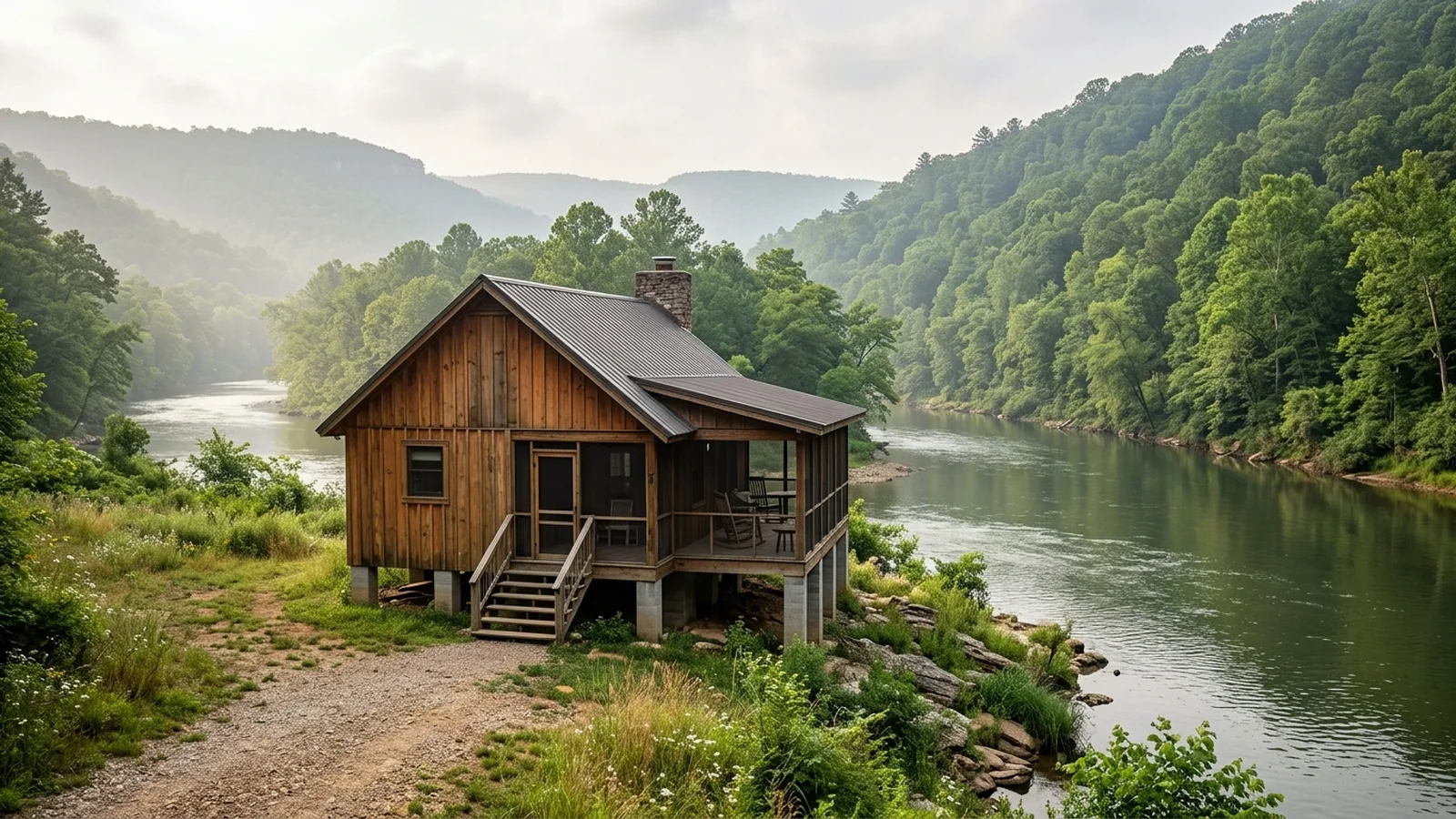
Water nearby: Strawberry River, which flows about ninety miles to the Black River; 43 miles are in the state scenic rivers program.

Setting: Elevation of 341 feet; The town was missed by the railroads.

Arkansas summers are hot and humid. NOAA's 1991-2020 normals put average yearly precipitation at Little Rock 50.4 inches. Warm, damp air is what lets mold take hold in attics, crawlspaces and bathrooms.

In pictures

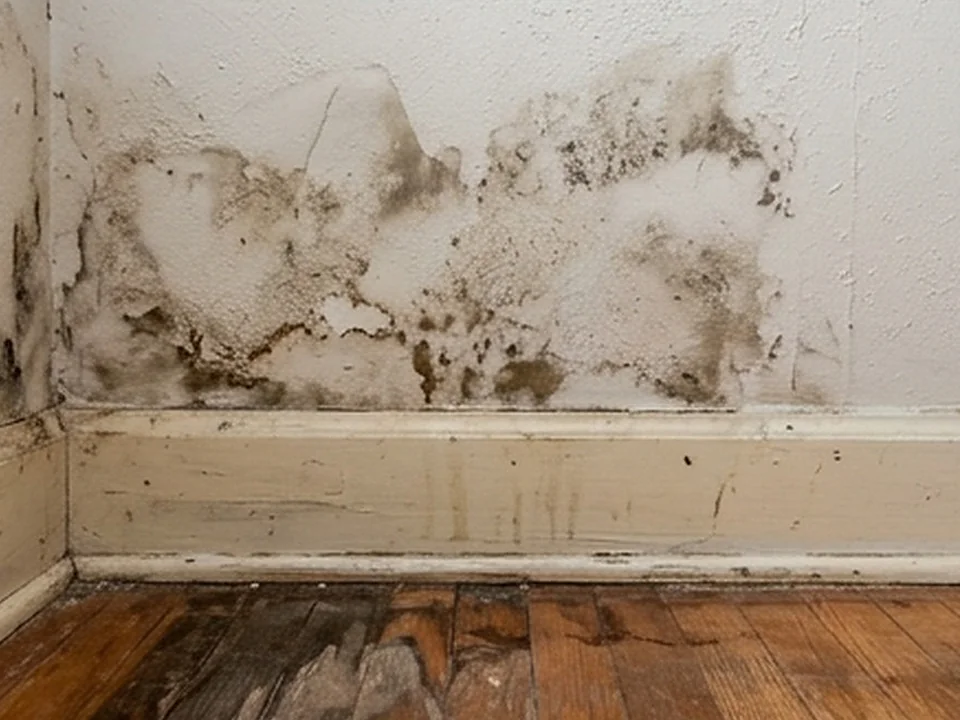
Where moisture and mold hide.

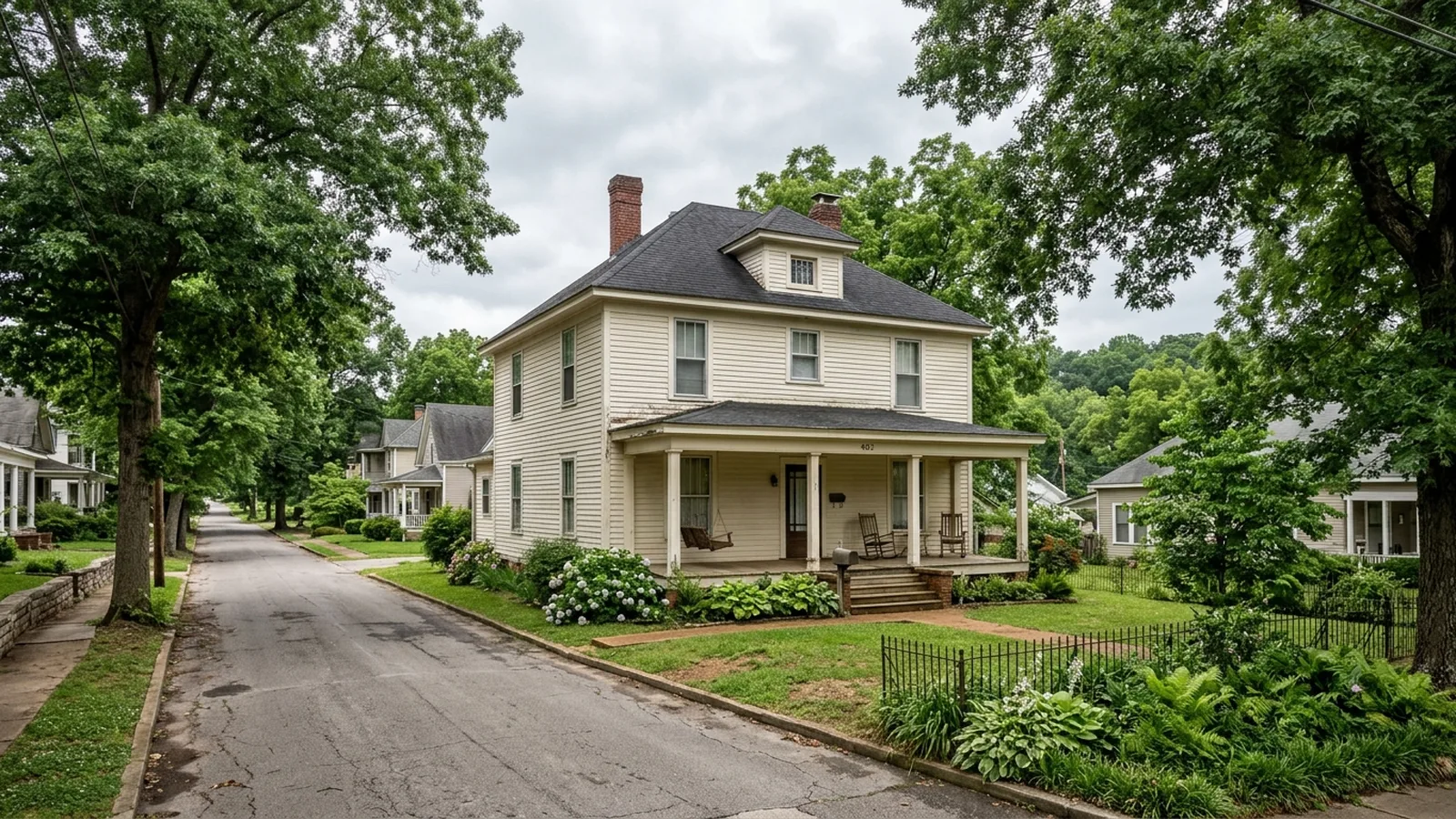
Illustrative photos of the kinds of homes and conditions found in this area.
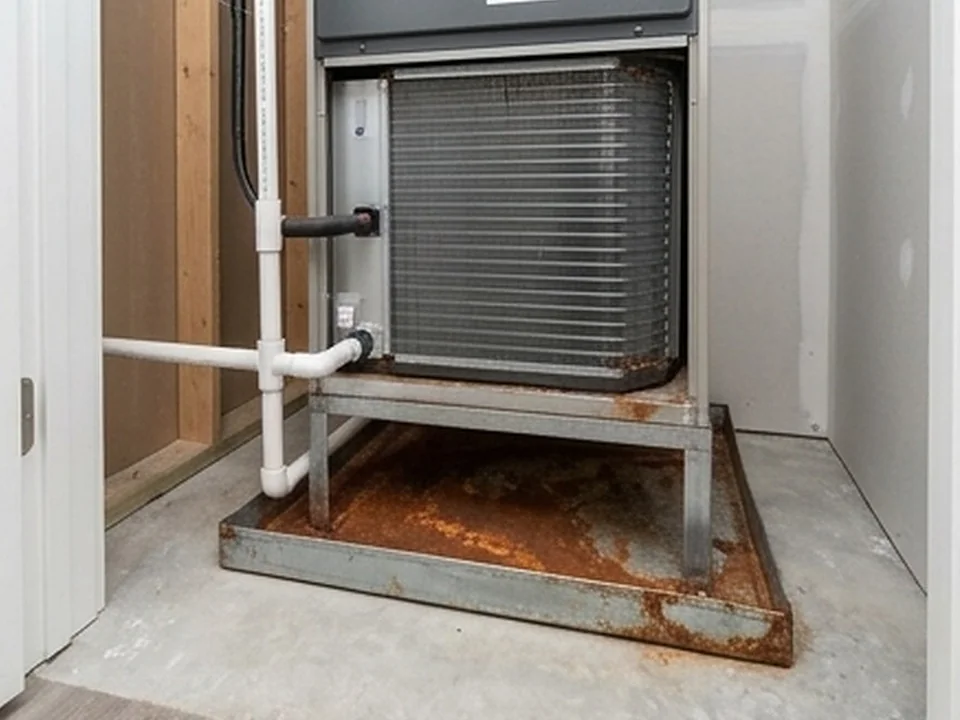
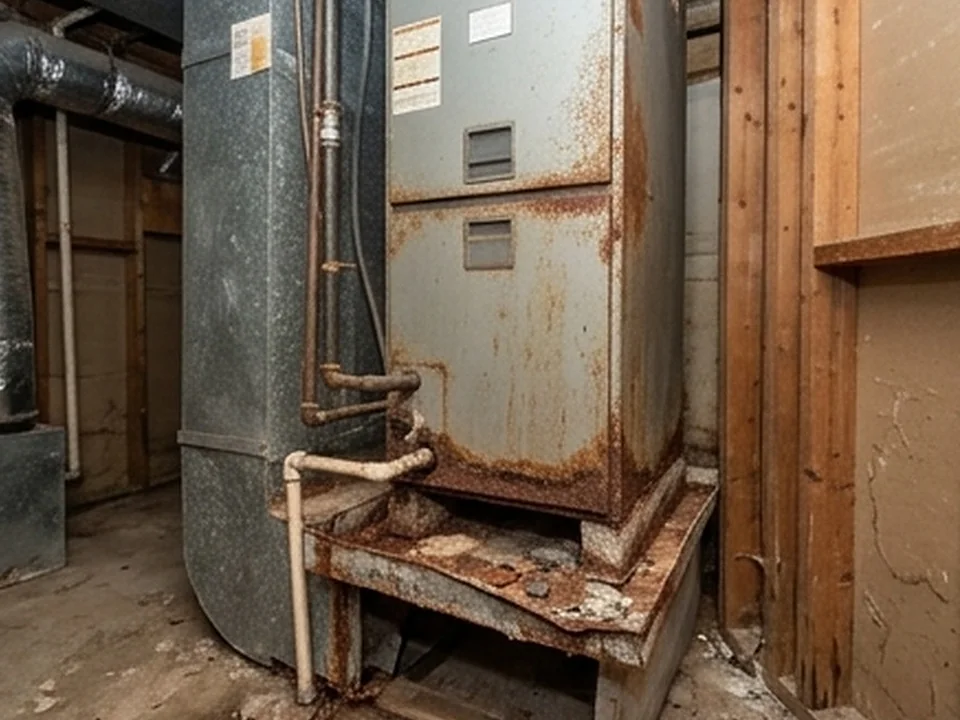
HVAC air handler with a rusty condensate pan, newer home
HVAC air handler with a rusty condensate pan, older home
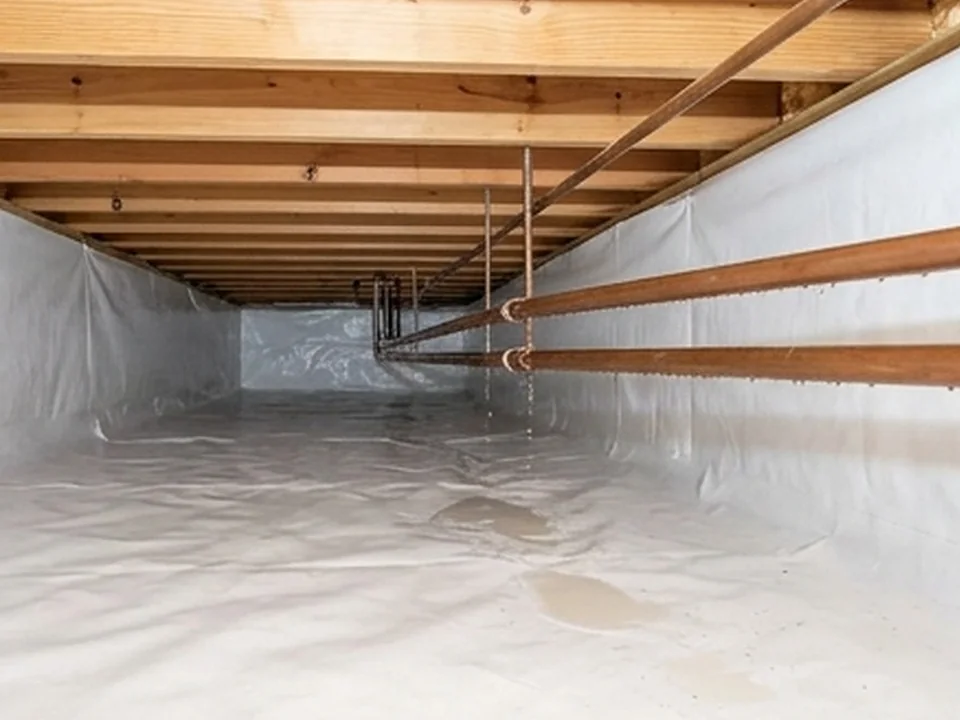
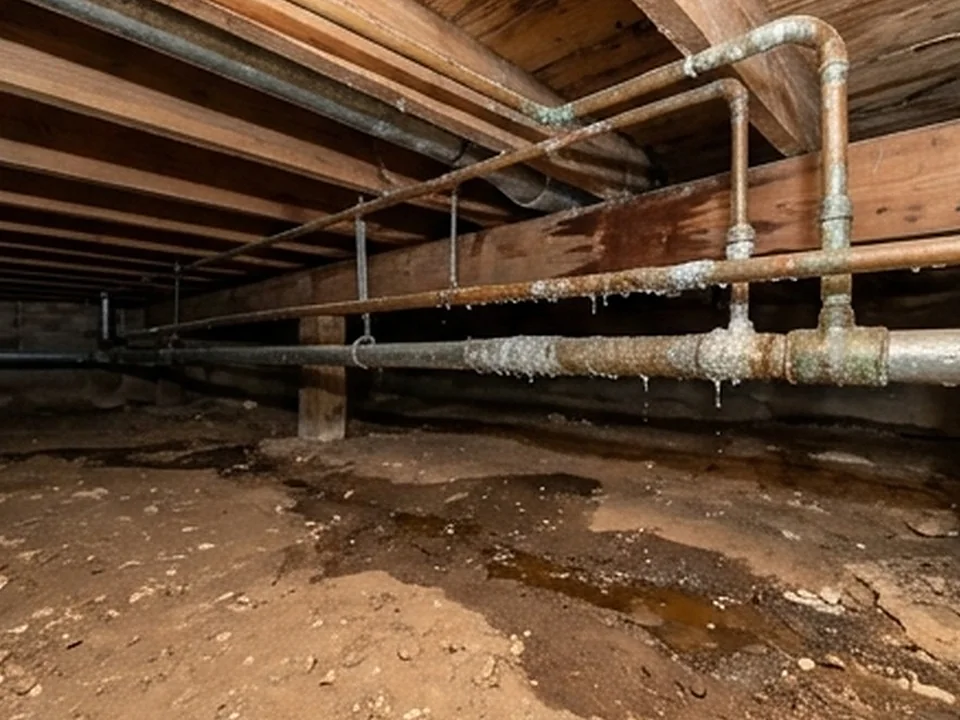
Sweating cold-water pipes in a crawlspace, newer home
Sweating cold-water pipes in a crawlspace, older home
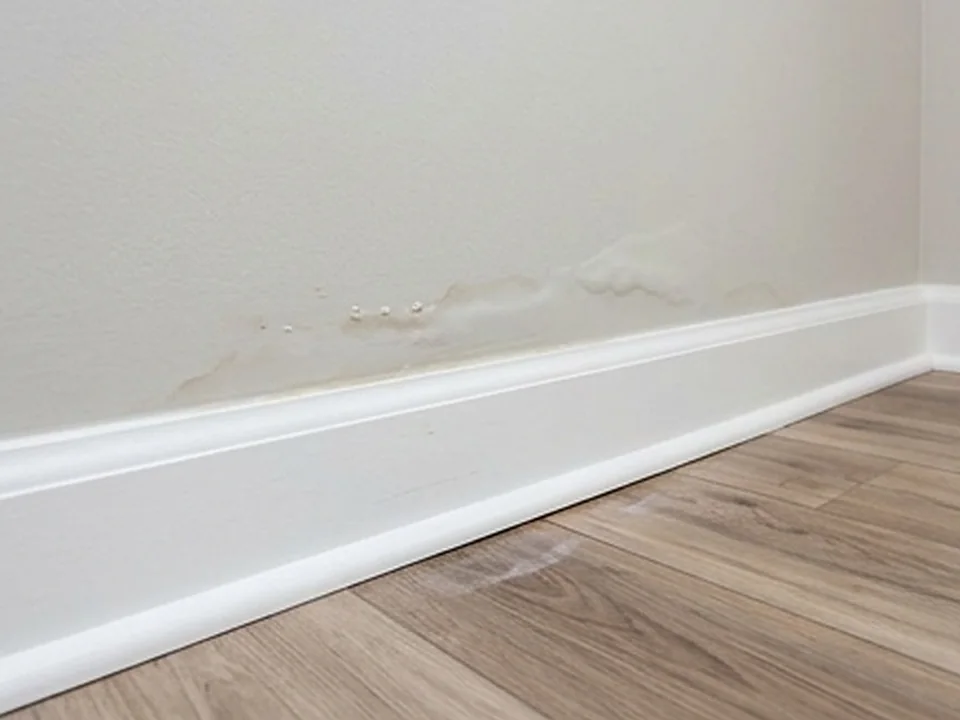
Water-stained drywall at the base of a wall, newer home
Water-stained drywall at the base of a wall, older home
Questions

Common questions.

Why was Strawberry first called Cathey Town?
The settlement took the name Cathey Town from John A. Cathey's store in the Strawberry River valley. When Cathey applied for a post office in 1854 it was named Strawberry Point, later shortened to Strawberry.
What is the Strawberry River like?
The river rises southwest of Salem in Fulton County and flows southeast about ninety miles to the Black River, and 43 miles of it are protected under Arkansas's state scenic rivers program.
Why is mold such a concern in Arkansas homes?
Arkansas has hot, humid summers. NOAA's 1991-2020 normals put Little Rock's average yearly precipitation at about 50 inches and its July average temperature at about 81 F. EPA advises keeping indoor humidity below 60 percent, ideally 30 to 50 percent. Warm, damp air is why moisture problems show up in Arkansas attics, crawlspaces and bathrooms.
Why do crawlspaces matter in Arkansas houses?
EPA notes that crawl spaces with high humidity are common sites of hidden mold growth, especially over bare soil, and that soil moisture raises the humidity in the air above it. Arkansas summers are humid, so crawlspace moisture is a common thing buyers ask about. EPA also advises grading the ground away from the foundation so it does not stay wet.
Free instant quote

Build your quote in 30 seconds.

No phone tag, no callback delay. Price and book your inspection right here — it takes about 30 seconds and there is no obligation.

Free Instant Quote & SchedulerPowered by InspectorData
Free Instant Quote