
Water testing in Hilltop
Water testing for Minnesota homes, above all those on a private well. An accredited laboratory tests the water for coliform bacteria and E. coli…
Well Water Testing in Hilltop
Water testing for Minnesota homes, above all those on a private well. An accredited laboratory tests the water for coliform bacteria and E. coli, nitrate, arsenic, lead, manganese, VOCs (volatile organic compounds), DRO (diesel range organics), iron, hardness, pH, fluoride, sulfate and uranium. The Minnesota Department of Health recommends testing a private well for coliform bacteria every year, nitrate every year, and arsenic and lead at least once.
Hilltop is a 0.12-square-mile city surrounded by Columbia Heights, built around its manufactured-home parks. Housing here runs to manufactured and mobile homes in four parks, with about 15 permanent houses and a few multi-unit buildings, across the four manufactured-home parks along Central Avenue, including the original Trailer City park.
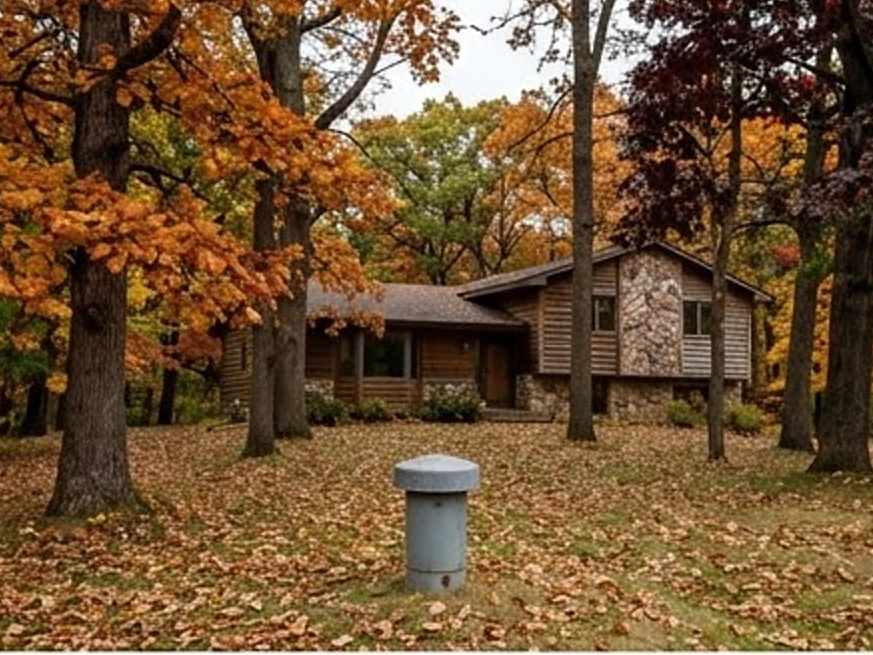
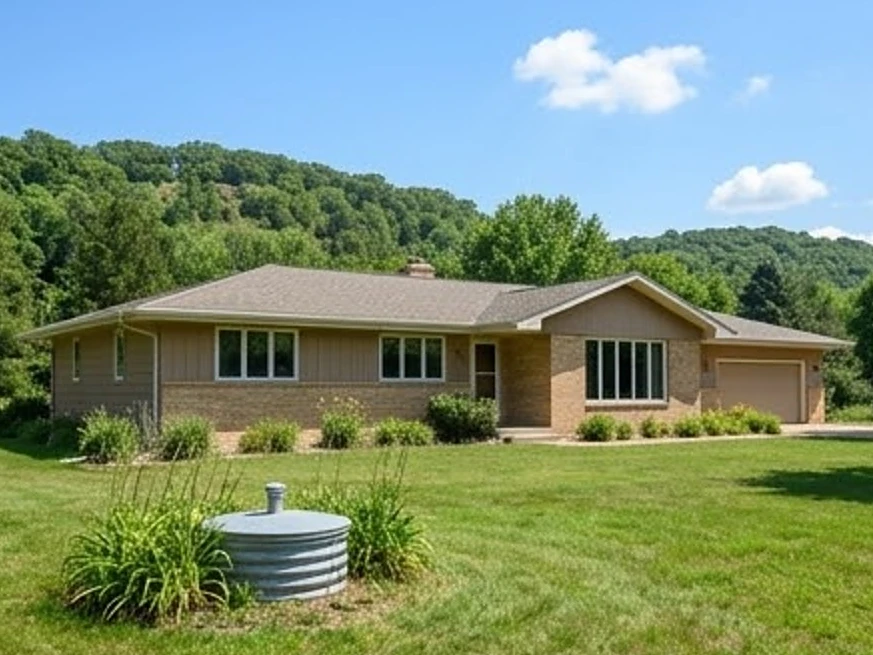
Well water in Anoka County
MDA's township testing schedule lists no Anoka County report, so there is no county nitrate percentage to quote. MDH says shallow wells and wells in sand aquifers are the ones most exposed to nitrate, and that arsenic is elevated in central and west-central Minnesota and can differ sharply between neighboring wells because of glacial geology. MDH lists coliform bacteria yearly, nitrate every year, and arsenic and lead at least once.
County facts checked September 2026 against: anokacountymn.gov, anokaswcd.org, mda.state.mn.us, Minnesota Department of Health, Minnesota Department of Health, Minnesota Department of Health.
Home inspection in Hilltop → · More about well water testing → · Every water test, explained →
Pairs well with:
Water tests available in Hilltop
Bacteria
Shows whether surface water or waste is reaching the well.
- Surface contamination reaching the wellNone should be present (MDH)
- Fecal contamination from septic, manure or wildlifeNone should be present (MDH)
Health chemicals
No taste, color or smell. These are the long-term health checks.
- Fertilizer, septic and manure; highest risk to infants10 mg/L (EPA)
- Natural arsenic from Minnesota rock and soil10 µg/L (EPA)
- Lead service lines, solder and brass fixturesNo safe level (MDH)
- ManganeseNatural manganese; a concern for infants100 µg/L for infants (MDH guidance)
- FluorideNatural fluoride; dental health4.0 mg/L (EPA)
- UraniumNatural radionuclide in groundwater30 µg/L (EPA)
Petroleum & solvents
Fuel and chemical spills from old tanks or nearby sites.
Household quality
Staining, scale and taste, and choosing the right treatment.
- IronRusty staining and metallic taste0.3 mg/L, aesthetic (MDH)
- HardnessScale buildup; sizing a water softenerNo health standard
- pHCorrosive or scaling water6.5 to 8.5, aesthetic (EPA)
- SulfateTaste and odor; diarrhea risk for infants250 mg/L, aesthetic (EPA)
Limits from MDH, EPA and MPCA. Compare your lab results with these values.
Hilltop private well testing timeline
| Test | Year 1 | Year 2 | Year 3 | Year 4 | Year 5 | Year 6 |
|---|---|---|---|---|---|---|
| Coliform bacteria | ||||||
| Nitrate | ||||||
| Arsenic | ||||||
| Lead |
When to test your water
- Every yearColiform bacteria and nitrate, the basic safety checks for a private well. Nitrate can come from fertilizer, septic systems and animal waste.
- At least onceArsenic and lead. Arsenic can differ even between neighboring wells.
- Before a baby drinks the waterColiform bacteria, nitrate, arsenic, lead and manganese. MDH recommends testing a private well for all five before a baby drinks the water.
- When you buy a homeA full baseline while you can still ask questions or negotiate.
- After flooding or well workFlooding and repairs to the well are reasons to test again.
- When taste, color or smell changesMDH says a change in taste, smell or look is a reason to test for coliform bacteria.
- Near a fuel tank or industrial siteVOCs, plus DRO for diesel and heating oil. MDH says to consider a VOC test if the well is near fuel tanks or a commercial or industrial area.
- City water in an older homeLead. MDH says homes built before 1940 may have lead service lines, and plumbing parts made before 1986 may contain lead.
Based on: MDH well testing, MDH coliform bacteria, MDH nitrate, MDH water for babies, MDH flood precautions, MDH lead.
How to get it done
- Choose your testsPick the water testing you need in the free instant quote.
- Pick a timeBook online. The quote takes about 30 seconds.
- Get certified lab resultsA certified laboratory analyzes the water and reports each result.
How far a well must be from common hazards in Hilltop
- Building (closest projection)3 ft
- Lake, river, stream or pond35 ft
- Septic tank50 ft
- Drainfield (soil dispersal area)50 ft (100 ft sensitive well)
- Animal feedlot or building (over 1 animal unit)50 ft
- Cesspool or seepage pit75 ft (150 ft sensitive well)
- Unroofed feedlot, 300+ animal units100 ft
- Unprotected petroleum tank, 1,100+ gallons150 ft
Septic, feedlot or fuel tank near the well? A coliform and nitrate test shows whether it is reaching the water. Get a free instant quote
Arsenic in Hilltop private wells, out of every 100
About 40 in 100 have some arsenic About 10 in 100 are above the 10 µg/L standard
You can't see, smell or taste arsenic. One lab test tells you where the well stands. Get a free instant quote
Common questions.
Who needs well water testing?
What does the water panel cover?
How often should a well be tested?
Is well water testing part of the home inspection?
Is there county nitrate data for wells in Anoka County?
My home is on city water. Is water testing still worth it?
When should a home be tested for DRO or VOCs?
What does an inspection of a manufactured home in Hilltop actually cover?
Is there a safe level of lead in drinking water?
What does a positive total coliform result mean in well water?
What does a seller have to tell me about wells when I buy a home in Minnesota?
What should I look for on a well cap?
More across Minnesota.
Well Water Testing nearby
- Well Water Testing in Columbia Heights · Anoka County
- Well Water Testing in Fridley · Anoka County
- Well Water Testing in St. Anthony Village · Hennepin/Ramsey County
- Well Water Testing in New Brighton · Ramsey County
- Well Water Testing in Brooklyn Center · Hennepin County
- Well Water Testing in Mounds View · Ramsey County
Other inspections in Hilltop
- Residential Inspection in Hilltop
- Buyer's Inspection in Hilltop
- Pre-Listing Inspection in Hilltop
- Radon Testing in Hilltop
- Sewer Scope Inspection in Hilltop
- Thermal Imaging in Hilltop
- Mold Inspection in Hilltop
- Foundation Inspection in Hilltop
- Roof Inspection in Hilltop
- HVAC Inspection in Hilltop
- Electrical Inspection in Hilltop
- Plumbing Inspection in Hilltop
- New Construction Inspection in Hilltop
- 11-Month Warranty Inspection in Hilltop
Questions about well water testing
Build your quote in 30 seconds.
No phone tag, no callback delay. Price and book your inspection right here — it takes about 30 seconds and there is no obligation.