
By the Closer Look Inspectors team · Facts checked October 2026 against the sources listed below · About our inspectors
Commercial thermal imaging uses an infrared camera to show surface temperature patterns the eye cannot see. On electrical panels, flat roofs, building envelopes, and mechanical equipment, those patterns can point to loose connections, wet insulation, missing insulation, and friction.
Get Your Free Instant QuoteCall or text (612) 457-1634
Commercial thermal imaging
What a thermal camera shows
A thermal camera reads the infrared energy that surfaces give off and turns differences in surface temperature into an image. The U.S. Department of Energy's maintenance guide describes that image as reflecting the radiance from the surface of an object, which lets a person "view an object based on its temperature."
That matters because developing problems often change temperature. The Department of Energy guide says infrared tries to detect conditions that shorten a component's life, and that many of those conditions change the component's temperature. One property insurer puts it simply: "All electrical and mechanical equipment radiates heat," and abnormal or unexpected patterns "typically indicate a problem with the equipment."
In electrical work, finding the problem matters more than the exact reading. The guide says the primary value is "locating problems so that they can be diagnosed and repaired," and that "How hot is it?" is usually of far less importance. The guide adds that there are hundreds of possible applications of the technology.
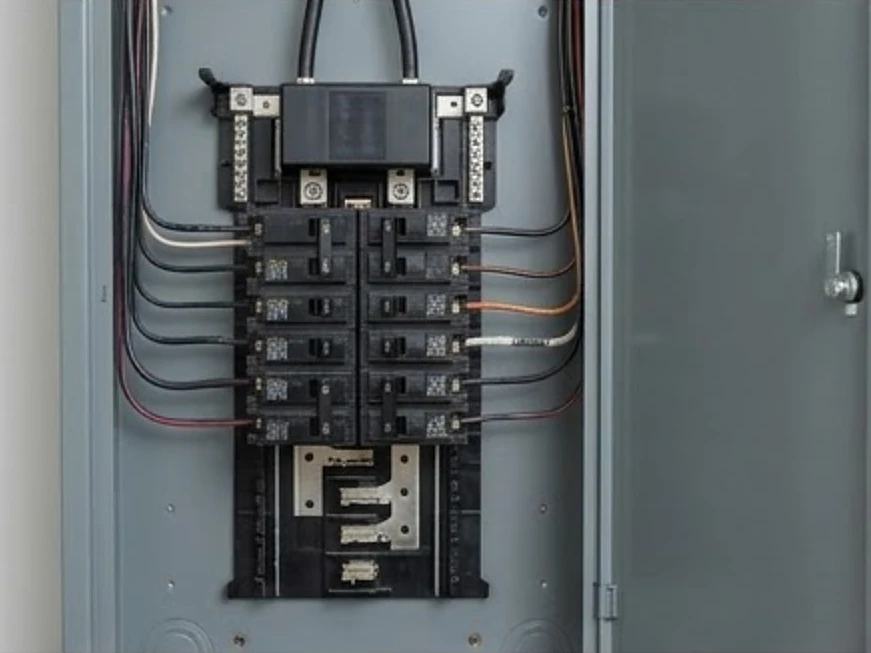
Electrical panels and switchgear: loose connections run hot
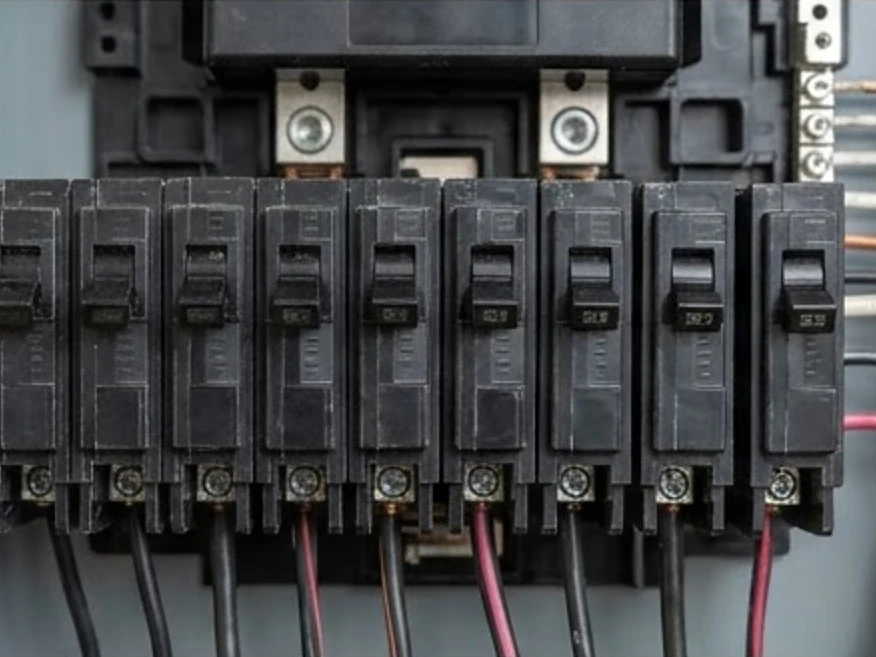
A loose or corroded electrical connection has more electrical resistance, so it runs at an abnormally high temperature. The Department of Energy guide notes that before the connection is hot enough to cause equipment failure or possible fire, the pattern is easily seen through an infrared camera.
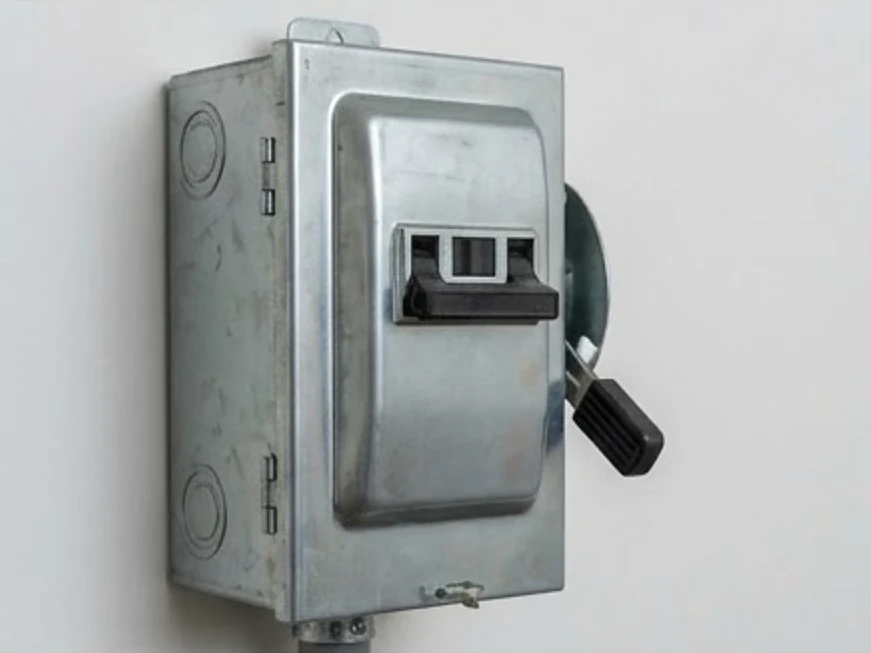
The guide's list of in-plant electrical applications reads like a tour of a commercial electrical room: switchgear, motor control centers, cable trays, batteries and charging circuits, and power and lighting distribution panels. An insurer's thermography sheet lists typical findings in plain words: loose electrical connections, overloaded circuits or phases, and deteriorated or damaged insulation.
ASTM E1934 is a general guide for this work. It lists the responsibilities of the end user and the thermographer when examining electrical and mechanical systems.
Flat-roof moisture: wet insulation holds heat differently
Water can sit in a flat roof long before it shows up as a stain. When a membrane fails, the insulation beneath it takes on moisture, and wet insulation behaves differently from dry insulation. The Department of Energy guide shows roof images with elevated temperatures over moisture-laden insulation, caused by a difference in thermal capacitance, with lighter colored regions marking areas of potential leakage. It calls infrared thermography "a powerful tool for locating roof leaks."
ASTM C1153 covers the night-time method: infrared imaging at night to find wet insulation in roofing systems that have insulation above the deck. It also addresses verifying the infrared data with invasive test methods, so a thermal map is a guide to where to confirm, not the last word.
The Department of Energy guide explains why owners care. People "generally forget about the roof until it leaks," structural components can be damaged by in-leakage and years of neglect, and using thermography to find where a flat roof has lost its membrane integrity can minimize the area that has to be repaired or replaced.
Building envelope: missing or damaged insulation
Walls, ceilings, and roofs lose heat where insulation is thin, missing, or damaged, and a thermal image shows that difference as a pattern. The Department of Energy guide's example of an application where exact temperatures do not matter is detecting missing or inadequate insulation in a structure's envelope. Its wall example shows a dark area marking cooler temperatures because of heat loss.
ASTM C1060 covers qualitative thermal inspections of wood- or metal-framed walls, ceilings, roofs, and floors, and allows detection of cavities where insulation is inadequate or missing. It adds that proof of missing insulation or a malfunctioning envelope needs independent validation.
Mechanical equipment: friction and failing parts show up as heat
Moving parts that are wearing out make friction, and friction makes heat. The Department of Energy guide says rotating-equipment problems normally appear as an increase in the component's temperature, and that thermography can reveal problems tied to bearing failure, alignment, balance, and looseness.
The same guide lists steam systems and boilers among its mechanical applications and notes that steam or hot water distribution leaks can be located with infrared. Trouble can also show up as cold: the guide shows inoperable steam heaters as cooler areas next to working ones.
The insurer's sheet adds bearing failure, insufficient lubrication, and steam leaks to its list of what abnormal patterns can mean. The Department of Energy guide adds that when scans of a single bearing are repeated over time, they give a useful indicator of wear and eventual need for replacement.
Why catching trouble early matters
The common thread is finding trouble early. The Department of Energy guide says infrared can find problems that would otherwise go unnoticed until a component failed.
An insurer's published guidance follows the same logic. One property insurer calls infrared thermography "a powerful preventative maintenance and risk control tool," recommends annual infrared imaging for manufacturers and similar businesses and, for other businesses, imaging at least every three years as part of an electrical preventative maintenance program. It also notes that routine inspections and maintenance "cannot always identify hidden signs of an imminent breakdown."
How to read a thermal scan
A hot spot is a question, not a verdict. The insurer's sheet says plainly that not all hot spots indicate a problem, and its disclaimer adds that a thermography survey and its report do not purport to identify all hazards. The roof and wall practices point the same way on follow-up: roof data is verified with invasive test methods, and proof of missing insulation needs independent validation. Read a scan as a map of where to look next.
Talk through a specific building
Closer Look Inspectors provides commercial thermal imaging in Minnesota and Iowa for electrical panels and switchgear, flat roofs, building envelopes, and mechanical equipment. Describe the building and request a quote.
Related
Quick answers
What does a thermal camera measure?
Surface temperature. It reads infrared energy from surfaces and shows temperature differences as an image. Patterns on the surface can point to what is happening behind it, such as wet insulation under a roof membrane.
What can a scan of an electrical panel find?
Heat from loose or corroded connections, overloaded circuits or phases, and damaged insulation, which can show up before the part fails. The Department of Energy guide says the value is locating the problem so it can be diagnosed and repaired.
Can thermal imaging find a leaking flat roof?
It can find wet insulation, which shows a different thermal pattern than dry insulation, and the Department of Energy guide calls it a powerful tool for locating roof leaks. The roof practice describes imaging at night and confirming the data with invasive test methods.
Does every hot spot mean something is wrong?
No. An insurer's guidance states that not all hot spots indicate a problem. A thermal pattern flags where to look, and the cause still has to be confirmed.
How often might an insurer recommend thermal scans?
It varies. One insurer recommends annual infrared imaging for manufacturers and similar businesses, and at least every three years for other businesses as part of an electrical preventative maintenance program, noting that recommendations vary with the number and severity of findings.
Sources
- FCCI Insurance Group: Thermography Services
- U.S. Department of Energy (PNNL): Operations & Maintenance: A Guide to Achieving Operational Efficiency, Release 3.0 (August 2010), Chapter 6, Predictive Maintenance Technologies
- ASTM International: Standard Guide for Examining Electrical and Mechanical Equipment with Infrared Thermography (current edition)
- ASTM International: Standard Practice for Location of Wet Insulation in Roofing Systems Using Infrared Imaging (current edition)
- ASTM International: Standard Practice for Thermographic Inspection of Insulation Installations in Envelope Cavities of Frame Buildings (current edition)
Need a thermal scan of a commercial building? Build a free instant quote, or call or text (612) 457-1634.
Get Your Free Instant Quote