
By the Closer Look Inspectors team · Facts checked October 2026 against the sources listed below · About our inspectors
Churches are in use only a fraction of the week and are older than the typical commercial building, while halls and community buildings are used more and wear differently. A commercial inspection documents their condition so congregations, boards, and buyers can plan repairs and capital work.
Get Your Free Instant QuoteCall or text (612) 457-1634
Churches & community buildings
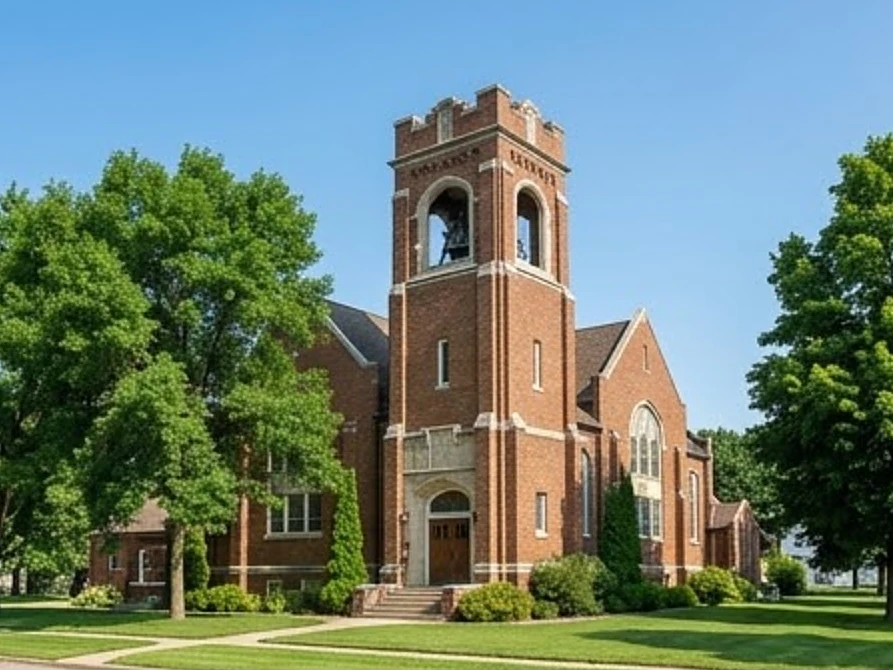
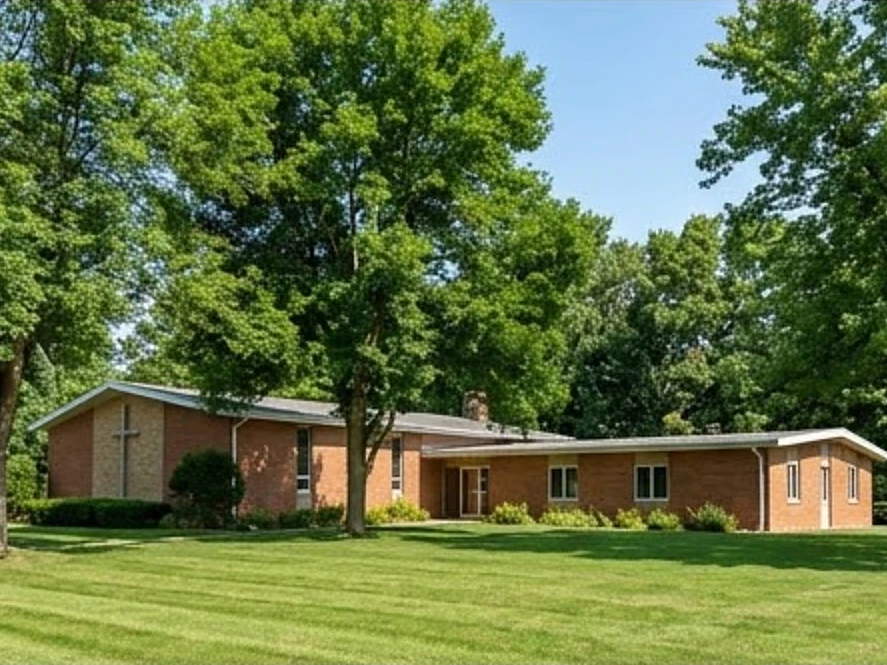
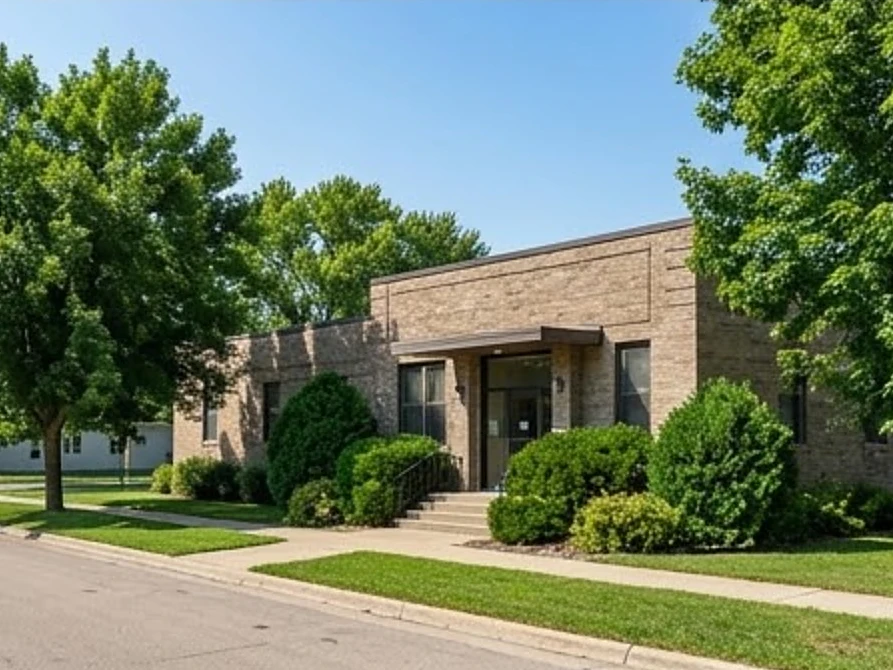
Open about 15 hours a week, older than the typical commercial building
The U.S. Energy Information Administration defines religious worship buildings as buildings in which people gather for religious activities, such as chapels, churches, mosques, synagogues, and temples. Its 2018 national survey estimated 439 thousand of them, with a median age of 45 years, a median size of 8,000 square feet, and a median of 15 operating hours per week. For all commercial buildings the medians were 36 years, 5,400 square feet, and 50 hours.
Low weekly use can let slow problems, like roof leaks or failing equipment, go unnoticed between services, and a building that is in use only a few hours a week still ages every day.
Roofs and old masonry
The National Park Service describes the roof as the part of a building that "sheds the rain, shades from the sun, and buffers the weather." Older masonry shows its age at the mortar: the Park Service notes that masonry is subject to deterioration, especially at the mortar joints, and that uncontrolled moisture is the most prevalent cause of deterioration in older and historic buildings. A poor roof, it adds, speeds the deterioration of historic building materials. One of its examples shows mortar leached away by water from a leaking downspout.
On flat or low-slope sections, such as over a fellowship hall or an addition, moisture can hide in the insulation. Commercial thermal imaging, covered on its own page, is one way to find it, according to the Department of Energy guide.
Older heating and cooling
The National Park Service says the need for modern mechanical systems is one of the most common reasons to undertake work on historic buildings, and that historic buildings are not easily adapted to house modern precision mechanical systems.
It also cautions that applying modern standards of interior climate comfort to historic buildings has often proven detrimental to historic materials and decorative finishes, and advises managing existing moisture conditions before adding humidifying or dehumidifying equipment. A heating or cooling upgrade in an older church deserves a plan before it starts.
Steps, doorways, and older layouts
The National Park Service notes that historic properties are distinguished by features and spaces that contribute to their historic character, and that steep terrain, monumental steps, narrow or heavy doors, and narrow pathways and corridors often pose barriers to persons with disabilities. Older church buildings can share those features, and boards weighing a purchase or a capital project do well to know those conditions before they plan.
Halls, community centers, and nonprofit buildings
EIA groups community centers, lodges, and meeting halls as public assembly buildings: buildings in which people gather for social or recreational activities, whether in private or non-private meeting halls. The median public assembly building in its 2018 survey was 43 years old and open 45 hours a week, three times the weekly hours of the median place of worship. EIA estimated 488 thousand public assembly buildings, with a median size of 6,100 square feet.
More hours of use means more wear on floors, restrooms, kitchens, and mechanical systems, and more people depending on the building every week. That is part of why a hall and a sanctuary on the same campus can need different repair schedules.
Planning repairs in stages
Maintenance is a planning tool. The Park Service notes that stopping decay before it is widespread helps keep the scale and complexity of work manageable for the owner. Deterioration can accelerate when the building envelope is not maintained on a regular basis, and routine and preventive care is the most effective way of slowing the natural process of deterioration. Well-maintained properties, it adds, tend to suffer less damage from storms, high winds, and even small earthquakes. Knowing the conditions makes it easier to sequence work over several budget years.
Talk through a specific building
Closer Look Inspectors provides commercial property inspections for churches, halls, and nonprofit buildings in Minnesota and Iowa. Describe the building and request a quote.
Related
Towns we cover
Quick answers
How old is a typical place of worship?
In the U.S. Energy Information Administration's 2018 national survey, the median place of worship was 45 years old and open 15 hours a week. A median is a midpoint, so half are older.
Why do church roofs get so much attention?
A roof protects everything beneath it. The National Park Service says it "sheds the rain, shades from the sun, and buffers the weather," and calls uncontrolled moisture the most prevalent cause of deterioration in older buildings.
Why are older church heating systems a concern?
The National Park Service notes that historic buildings are not easily adapted to modern precision mechanical systems and that modern comfort standards have often proven detrimental to historic materials and finishes, so upgrades call for planning.
Is a community hall the same kind of building as a sanctuary?
Not in the Energy Information Administration's data. Public assembly buildings, such as community centers and meeting halls, are open about three times as many hours a week as the median place of worship, which changes the wear pattern.
Sources
- U.S. Energy Information Administration: CBECS building type definitions
- U.S. Energy Information Administration: 2018 CBECS Table B2, Summary table: total and medians of floorspace, number of workers, and hours of operation
- National Park Service: Preservation Brief 4, Roofing for Historic Buildings
- National Park Service: Preservation Brief 2, Repointing Mortar Joints in Historic Masonry Buildings
- National Park Service: Preservation Brief 39, Controlling Unwanted Moisture in Historic Buildings
- U.S. Department of Energy (PNNL): Operations & Maintenance: A Guide to Achieving Operational Efficiency, Release 3.0 (August 2010), Chapter 6, Predictive Maintenance Technologies
- National Park Service: Preservation Brief 24, Heating, Ventilating, and Cooling Historic Buildings
- National Park Service: Preservation Brief 32, Making Historic Properties Accessible
- National Park Service: Preservation Brief 47, Maintaining the Exteriors of Small and Medium Size Historic Buildings
Looking at churches & community buildings? Build a free instant quote, or call or text (612) 457-1634.
Get Your Free Instant Quote