
By the Closer Look Inspectors team · Facts checked October 2026 against the sources listed below · About our inspectors
In Cannon Falls, a commercial property inspection helps a buyer or lender judge a downtown built mostly in the 1880s and 1890s. The National Register form for the Cannon Falls Commercial Historic District says about 22 of its 29 commercial buildings date from circa 1880 to 1900, many of limestone, so aging masonry, roofs and later updates deserve scrutiny.
Get Your Free Instant QuoteCall or text (612) 457-1634
Commercial buildings in and around Cannon Falls
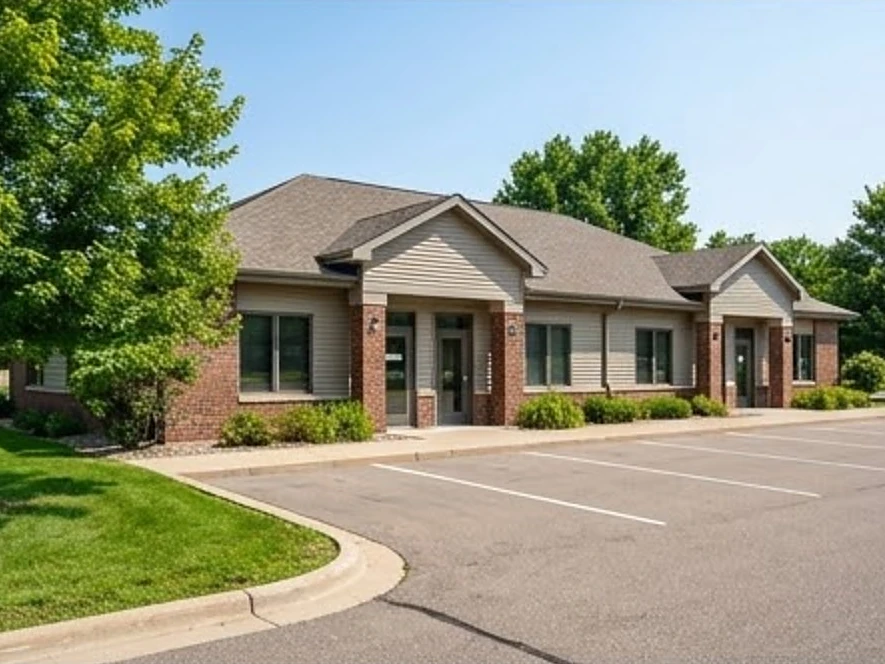
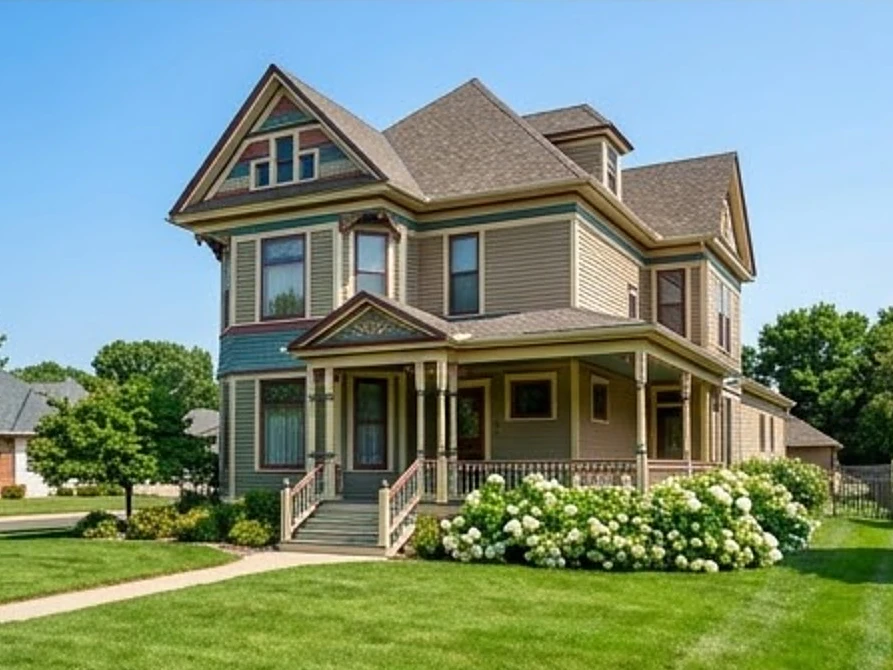
A limestone downtown, much of it built after an 1887 fire
The district's National Register registration form describes the core of the central business district, covering parts of five city blocks. It counts 29 commercial buildings, 19 of them two stories tall, with at least 21 built of local limestone and many retaining pressed metal cornices, decorative brickwork and ornate limestone window hoods.
Many of the buildings are similar in age: approximately 22 of the 29 were built from circa 1880 to 1900, and 13 went up immediately after an 1887 fire destroyed most of downtown. Buildings of one age and one construction method tend to show the same wear in mortar joints, parapets, cornices and roof tie-ins. In the same town, a 1978 state inventory form dates the Church of the Redeemer, built of limestone quarried from a nearby farm, to 1867. Thermal imaging can show where moisture or heat loss is concentrated in older masonry walls.
Two rivers, the mills and the bluffs
Cannon Falls was founded at the confluence of the Cannon and Little Cannon rivers, both of which flow near downtown. The city's 2003 comprehensive plan says the original settlers built a mill on the river to grind the grain from adjacent farmland, that the city then grew up around the mill, and that its growth was shaped and confined by rivers and steep wooded bluffs. Grain elevators, mills and the railroad depot, the form notes, were historically located along the tracks.
For a commercial building near either river, grading, drainage and basement moisture are part of its story. Staining and damp wall bases are the kind of signs worth documenting, and thermal imaging can help find damp areas that have dried at the surface.
Industrial park and highway-oriented businesses
The 2003 plan describes the northeast part of town, north of the Cannon River, as home to newer subdivisions from the 1980s and 1990s and to older agricultural service activities such as grain mills and what it calls the new industrial park. It says the south side of town has attracted highway-oriented businesses where old Highway 52 (now County 24) and new Highway 52 converge. The city's economic development page lists businesses in manufacturing, food processing, financial services, and transportation and logistics.
Food-processing and logistics buildings put heavy demands on roofs, loading docks, electrical service and refrigeration or heating equipment. Thermal imaging is one way to find warm connections in electrical gear, missing wall insulation and wet roof sections in buildings like these.
Commercial buildings we inspect
Quick answers
How old are the buildings in downtown Cannon Falls?
The district's National Park Service form says approximately 22 of its 29 commercial buildings were built during the 20-year period from circa 1880 to 1900, and 13 were constructed immediately after an 1887 fire. At least 21 are built of local limestone and 19 are two stories tall. Age like this makes roofs, masonry and upper floors fair questions.
Do the Cannon and Little Cannon rivers affect commercial property?
The town was founded at the confluence of the two rivers, both of which flow near downtown, and the city's 2003 plan says its growth was shaped and confined by rivers and steep wooded bluffs. Properties near the water deserve a close look at grading, drainage and basement moisture, and staining, damp wall bases and drainage problems are signs worth documenting.
What kinds of businesses does the city list?
The city's economic development page lists businesses in manufacturing, food processing, financial services, and transportation and logistics. The 2003 plan also describes highway-oriented businesses on the south side of town and an industrial park north of the Cannon River. Those building types lean on large roofs, loading areas and electrical service, where thermal imaging can help.
Sources
- National Park Service: National Register of Historic Places Registration Form, Cannon Falls Commercial Historic District
- National Park Service / Minnesota Historical Society: Church of the Redeemer (Cannon Falls), inventory form
- City of Cannon Falls: Comprehensive Plan (approved November 6, 2003, PDF)
- City of Cannon Falls: Economic Development
Nearby towns
Commercial property inspection in Minnesota and Iowa · Home inspection in Cannon Falls
Buying, leasing or financing a commercial building in Cannon Falls? Build a free instant quote, or call or text (612) 457-1634.
Get Your Free Instant Quote