
By the Closer Look Inspectors team · Facts checked October 2026 against the sources listed below · About our inspectors
In Hopkins, a commercial property inspection lets a buyer, owner or lender see how well a building has held up, from the storefront buildings of the Hopkins Commercial Historic District, which date from 1890 through 2006, to the 17-acre cold storage site at 325 Blake Road now being redeveloped.
Get Your Free Instant QuoteCall or text (612) 457-1634
Commercial buildings in and around Hopkins
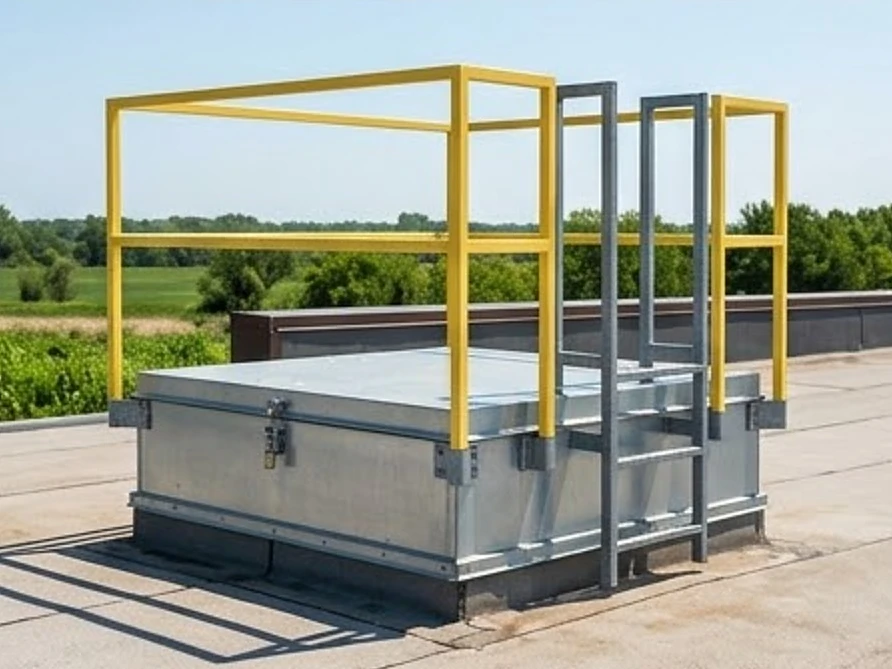
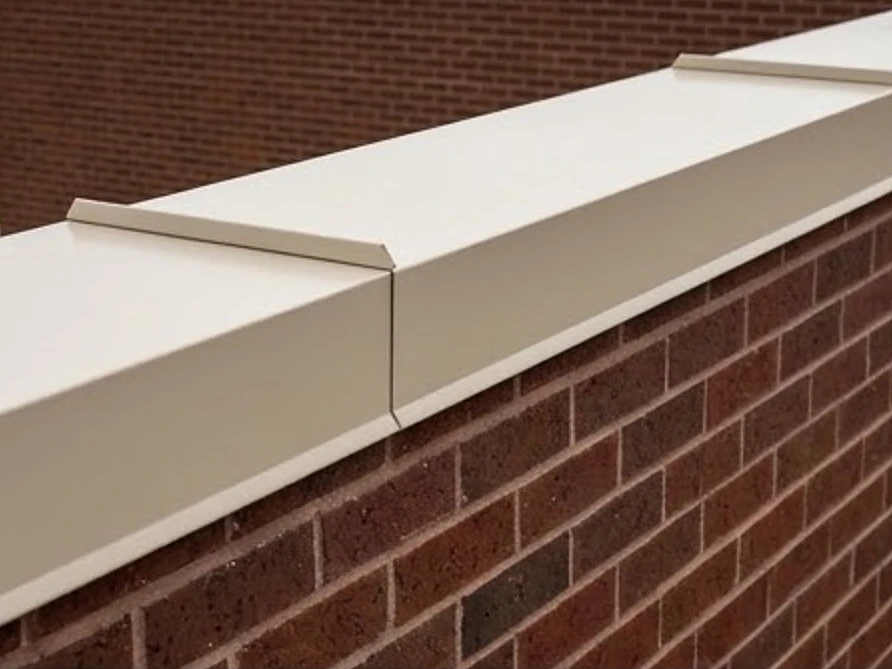
Mainstreet's storefronts, 1890 to 2006
Mainstreet between 8th and 11th Avenues was listed as the Hopkins Commercial Historic District in the National Register of Historic Places on January 19, 2022. The listing paperwork describes buildings of one to three stories dating from 1890 through 2006, a collection of commercial, mixed-use and fraternal buildings from the late nineteenth through the mid-twentieth century, with thirty-one contributing buildings.
The nomination's list of principal exterior materials runs from brick, concrete and stone to metal, wood, glass, stucco, ceramic tile and hollow tile, and it describes most of the buildings as brick or concrete block, with a few wood-framed ones. Most are built out to or near the lot lines, with storefronts facing the street.
Buildings built right up to their lot lines often share walls, so one building's roof leak or failing parapet can become the neighbor's problem. Hollow tile and old brick also take on water differently from modern wall systems. A thermal camera records surface temperature differences, and on a wall those patterns can point to damp sections and wet or missing insulation that the eye cannot see.
Anyone weighing a purchase, a refinance or repair work in the district is better off starting from a documented picture of the building's condition.
From threshing machines to a cold storage site
The city's history traces the town's roots to 1887 and the building of the Minneapolis Threshing Machine Company, later called Minneapolis Moline, which once employed most of the Hopkins residents. More recently, the Minnehaha Creek Watershed District purchased a 17-acre cold storage site in 2011, and the city and the district are working together on the restoration and redevelopment of the site at 325 Blake Road. On the east end, the city's stated goal is to redevelop the primary area into higher-density, mixed-use developments with primarily office, housing and limited retail uses.
Former industrial and cold-storage buildings carry heavy slabs, long roof spans and process equipment that a new use may not need or may not suit. For a purchaser or lender, the practical question is how much of the existing building is reusable, and that comes from its condition, not from its history.
Redevelopment and the proposed transit stations
The city notes that Hopkins is the proposed site for three transit stations that would have a significant impact on future development, and it ties its Blake Road corridor planning to the construction of the Southwest LRT Green Line Extension. Redevelopment already touches Mainstreet: the city's project list shows the redevelopment of a former movie theater at 1118 Mainstreet into a four-story, mixed-use commercial and residential building. Wherever new construction meets old masonry, shared walls, roof edges and mechanical systems are where moisture and temperature differences tend to show themselves.
Commercial buildings we inspect
Quick answers
What makes Mainstreet's older buildings different from newer commercial buildings?
The district's buildings date from 1890 through 2006, and most are built out to or near the lot lines. Most are brick or concrete block, with a few wood-framed ones. Older masonry handles moisture and heat differently from modern wall systems, so parapets, roofs, wall bases and shared walls deserve close attention.
What should an owner know before buying or repairing a building in the historic district?
The Hopkins Commercial Historic District, Mainstreet between 8th and 11th Avenues, was listed in the National Register on January 19, 2022, and its one- to three-story buildings date from 1890 through 2006. Before buying, refinancing or repairing, a documented view of the building's current condition helps an owner, lender or buyer decide what work is needed and in what order.
How could the proposed transit stations change commercial property in Hopkins?
The city says Hopkins is the proposed site for three transit stations that would have a significant impact on future development, and its East End goal is higher-density, mixed-use redevelopment. Nearby properties may change use, so a baseline condition assessment helps an owner or buyer plan around what the building can still do.
Sources
- City of Hopkins: Hopkins Commercial Historic District
- National Register of Historic Places Registration Form: Hopkins Downtown Commercial Historic District
- City of Hopkins: History
- City of Hopkins: Development Projects
Nearby towns
Commercial property inspection in Minnesota and Iowa · Home inspection in Hopkins
Buying, leasing or financing a commercial building in Hopkins? Build a free instant quote, or call or text (612) 457-1634.
Get Your Free Instant Quote