
By the Closer Look Inspectors team · Facts checked October 2026 against the sources listed below · About our inspectors
A commercial property inspection helps a Litchfield buyer, owner or lender learn how a brick downtown built mostly between the 1880s and 1940 has aged. The district's 1995 National Register nomination describes 48 properties on five blocks of Sibley Avenue, most of them two-story brick commercial buildings.
Get Your Free Instant QuoteCall or text (612) 457-1634
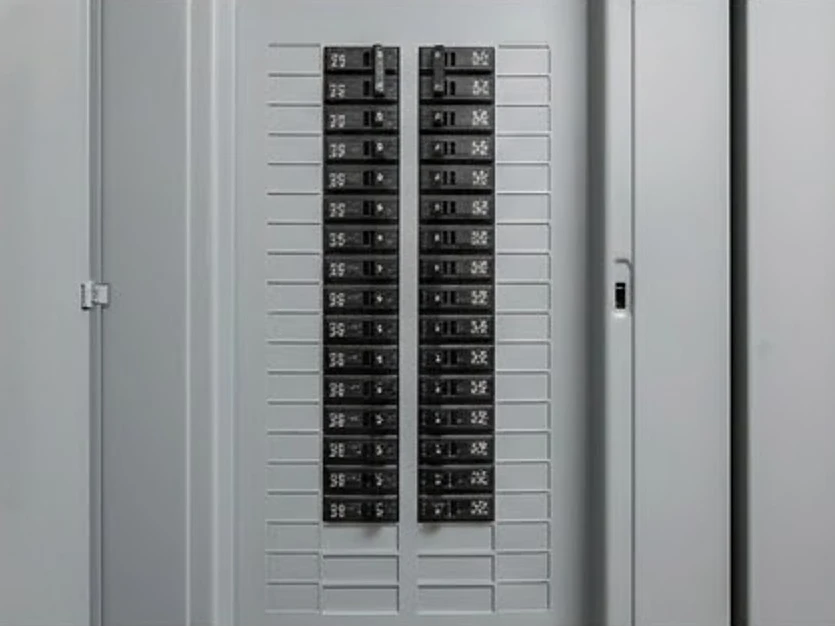
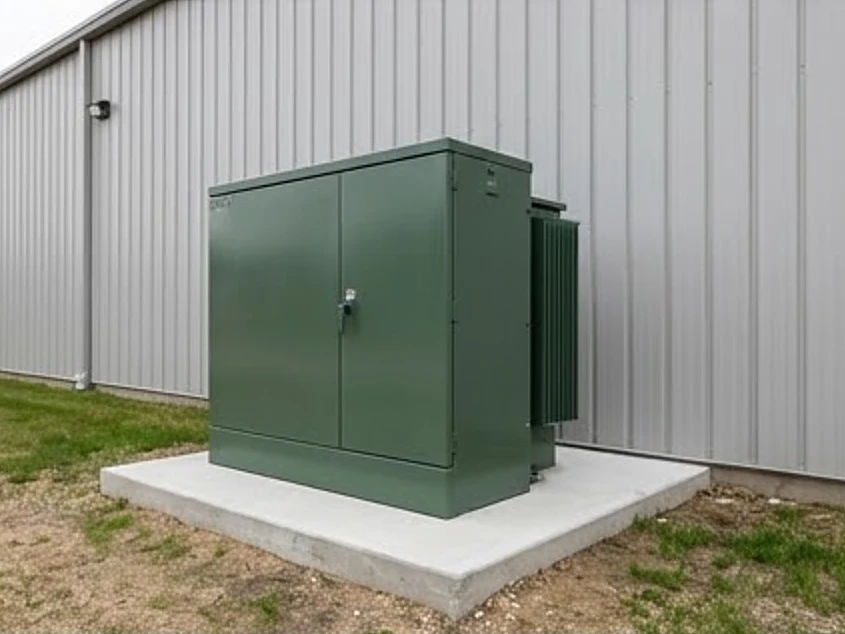
Commercial buildings in and around Litchfield
North Sibley Avenue's brick blocks
According to its 1995 National Register nomination, the Litchfield Commercial Historic District covers 48 properties on five city blocks along Sibley Avenue: 36 contributing buildings, 10 non-contributing buildings and two vacant lots. Most of the buildings are two-story brick commercial buildings built between about 1882 and about 1940, and about half (24 of 46) were built before about 1900. At least 15 were built of cream-colored brick made in Litchfield, and most have stone foundations.
The nomination counts 14 Italianate-style buildings, an unusually large number for a central business district in central Minnesota, and points to the Hollywood Theatre at 210 N. Sibley Ave. as an example of Art Deco and Streamline Moderne design. The city's historic-sites appendix lists the district as added to the National Register in 1996, and the 2024 land use plan says Litchfield's main street was officially declared the Litchfield Historic Commercial District that year.
Brick and stone buildings of this age raise their own questions: mortar joints and parapets exposed to weather, cornices and window hoods, and stone foundations that move moisture differently from modern concrete. Infrared imaging can show wet roof insulation and moisture patterns in exterior walls that the eye cannot see.
Vacant storefronts and repositioned retail
The city's 2024 land use plan says downtown Litchfield has a number of storefronts that are currently vacant. It adds that several retailers have closed and been repositioned to other retail-type uses.
A storefront that has sat empty can hide slow roof leaks, moisture in unheated space and deferred maintenance, and a repositioned retail building carries its old roof and systems into its new use. A condition assessment gives a buyer or lender a dated record of what stands behind the street face.
Industry, expansion and Lake Ripley
The plan's existing land-use table lists 223.1 acres of industrial land and 163 acres of commercial land. The plan notes that historic development patterns have not always allowed space between industrial and other uses, and cites the First District campus and the immediately adjacent residences as an example. Its list of recent highlights notes that Bobcat completed a 130,000 square foot expansion project in 2021.
From 2013 to 2023, the plan counts 61 single-family homes and 52 multifamily units built, and within that decade 7 approvals for new commercial or industrial building construction, with 7 more businesses having substantial additions or expansions. The city also sits partly along the shore of Lake Ripley, which covers 558 acres.
Commercial buildings we inspect
Quick answers
What is in the Litchfield Commercial Historic District?
According to its 1995 National Register nomination, the district covers 48 properties on five blocks along Sibley Avenue: 36 contributing buildings, 10 non-contributing buildings and two vacant lots. Most are two-story brick commercial buildings built between about 1882 and about 1940, and most have stone foundations.
What should a buyer know about a vacant storefront in an older downtown building?
The city's 2024 land use plan says downtown Litchfield has a number of storefronts that are currently vacant. A space that has sat empty can hide slow roof leaks, moisture and deferred maintenance, so a written condition assessment helps a buyer or lender see what is behind the front before committing.
Why do stone foundations and brick walls matter in an older downtown building?
The nomination says most buildings in the district have stone foundations and are two-story brick commercial buildings. Stone and old brick take in and release moisture differently from modern materials, and mortar joints and parapets weather over a century. Knowing the current masonry and moisture condition helps a buyer budget for repairs.
Sources
- National Park Service: Litchfield Commercial Historic District, National Register registration form (posted by the City of Litchfield)
- City of Litchfield: 2009 Comprehensive Plan, Appendix C Historic Sites and Buildings
- City of Litchfield: 2024 Comprehensive Land Use Plan
Nearby towns
Commercial property inspection in Minnesota and Iowa · Home inspection in Litchfield
Buying, leasing or financing a commercial building in Litchfield? Build a free instant quote, or call or text (612) 457-1634.
Get Your Free Instant Quote