
By the Closer Look Inspectors team · Facts checked October 2026 against the sources listed below · About our inspectors
A commercial property inspection answers a basic question for Carver buyers, owners and lenders: how has this building handled water? The state’s 1978 survey says much of Carver is built on the lowland flood plain, and a city levee summary lists major flood events in 1965, 1969, 1997, 2001 and 2014.
Get Your Free Instant QuoteCall or text (612) 457-1634
Commercial buildings in and around Carver
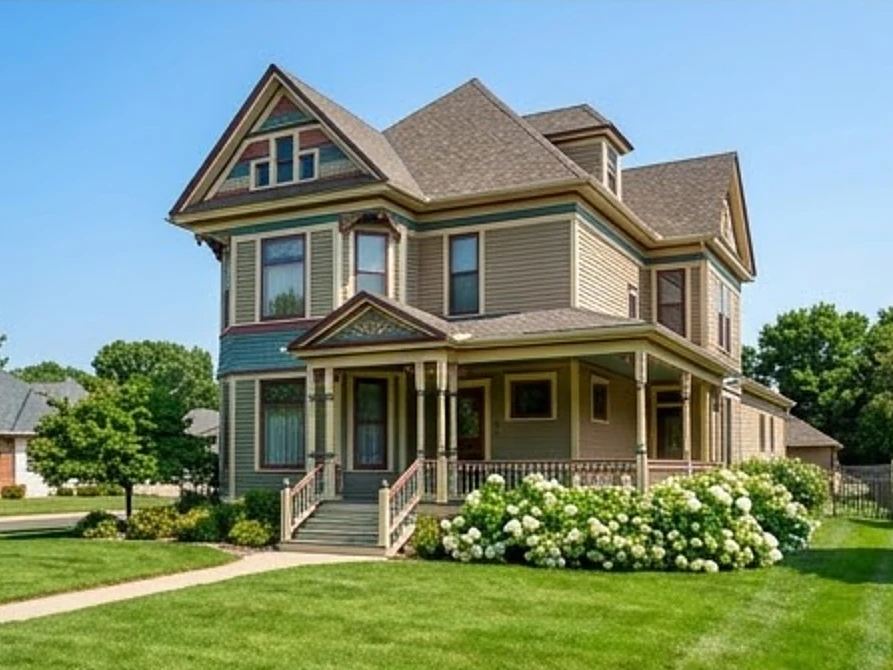
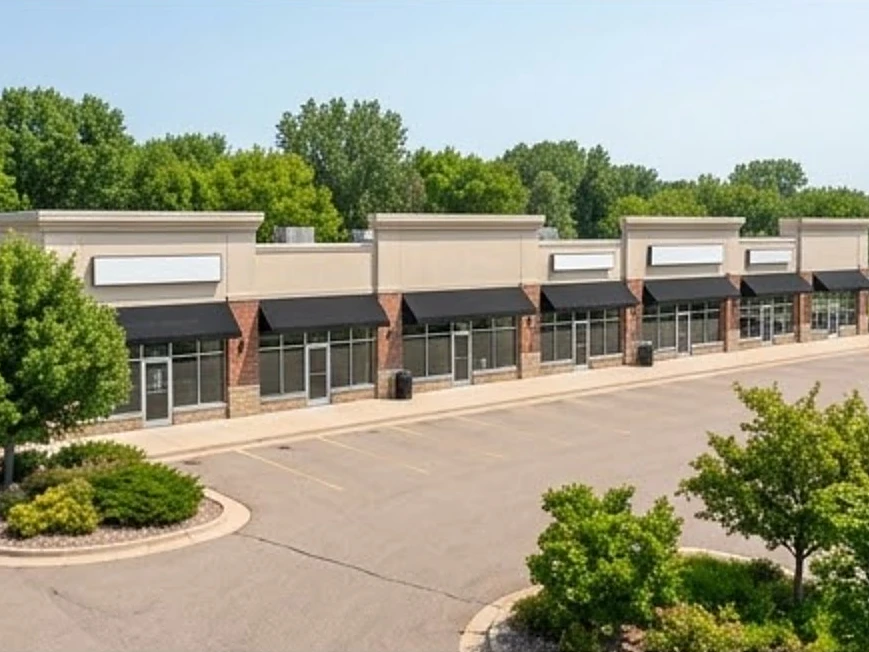
Lowland blocks below the bluff
The 1978 state survey form for the Carver Historic District says the majority of the original claim was platted on a bluff overlooking the Minnesota River, but much of Carver is built on the lowland flood plain. The town was laid out to run parallel both to the river and to Spring Creek, and its commercial buildings occupy the lower end of Broadway between First and Fourth streets.
A City of Carver levee project summary, with a concept plan dated February 14, 2019, lists major flood events in 1965, 1969, 1997, 2001 and 2014, and says downtown is at high risk of flooding from interior drainage during Minnesota River floods due to Spring Creek. The Carver County Historical Society says widespread flooding in 1965 swamped parts of historic Carver. ENTER, a publication of AIA Minnesota, writes that the Church by the River was damaged in Minnesota’s historic 1965 flood, which rolled over a 1953 dike and soaked dozens of buildings up to their second stories. CBS Minnesota reported in June 2014, as the river was expected to crest, that the downtown flooded badly back in 1965.
On low ground with a creek and a levee close by, the questions are about the lowest floor: what is stored or installed there, whether sump or drainage systems exist, and how they have worked.
Red Rock, buff brick and then wood
The survey form says the earliest buildings, built before brick was locally manufactured, were wood or locally quarried Merriam Red Rock. The majority of buildings of the 1860s and 1870s used locally manufactured buff-colored brick, including St. Nicholas Church of 1868, and by the late 1880s brick was no longer being manufactured in Carver and wood again gained dominance as a building material.
The same form counts over 60 percent of the district’s buildings as residences and 20 percent as commercial or light industry, so commercial buildings are a minority of the historic core. A town that changed building materials within a few decades can hold three different wall systems on one street, each with its own repair history.
A district placed on the National Register in 1980
The City of Carver says that in 1980 the old town became one of the first historic districts in Minnesota to be placed on the National Register of Historic Places. The Carver County Historical Society counts eighty-seven buildings and four other structures of importance, and the Advisory Council on Historic Preservation says that many of Carver’s historic buildings survived and that the 1960s saw the beginning of their historic renovation. District recognition says little by itself about the shape of any particular building today.
Commercial buildings we inspect
Quick answers
Is downtown Carver in a floodplain?
The 1978 state survey says much of Carver is built on the lowland flood plain, and the city’s 2019 levee summary says downtown is at high risk of flooding from interior drainage during Minnesota River floods. For a specific building, ask about water history, basements and drainage.
How old are Carver’s commercial buildings?
The 1978 survey describes Carver as a well-preserved Minnesota River town dating from 1852 to 1900. It says the majority of buildings of the 1860s and 1870s were built of locally manufactured buff-colored brick and that wood again gained dominance by the late 1880s, so one street can combine several wall types and repair histories.
What is the Carver Historic District?
The City of Carver says the old town became one of the first historic districts in Minnesota to be placed on the National Register of Historic Places in 1980, and the Advisory Council on Historic Preservation describes some 90 buildings and structures, most dating to the 19th century. Being listed is about history, not about how a building is performing now.
Sources
- National Park Service: Minnesota Historic Properties Inventory Form, Carver Historic District
- City of Carver: Levee Project Summary and Concept Plan (concept plan dated February 14, 2019)
- Carver County Historical Society: Carver Historic District
- ENTER (AIA Minnesota): Historic Carver on the Minnesota River (July 1, 2021)
- CBS Minnesota: With The Minnesota River On the Verge Of Cresting, Carver Braces For More Rain (June 25, 2014)
- City of Carver: Downtown Historic District
- Advisory Council on Historic Preservation: Carver, Minnesota
Nearby towns
Commercial property inspection in Minnesota and Iowa · Home inspection in Carver
Buying, leasing or financing a commercial building in Carver? Build a free instant quote, or call or text (612) 457-1634.
Get Your Free Instant Quote